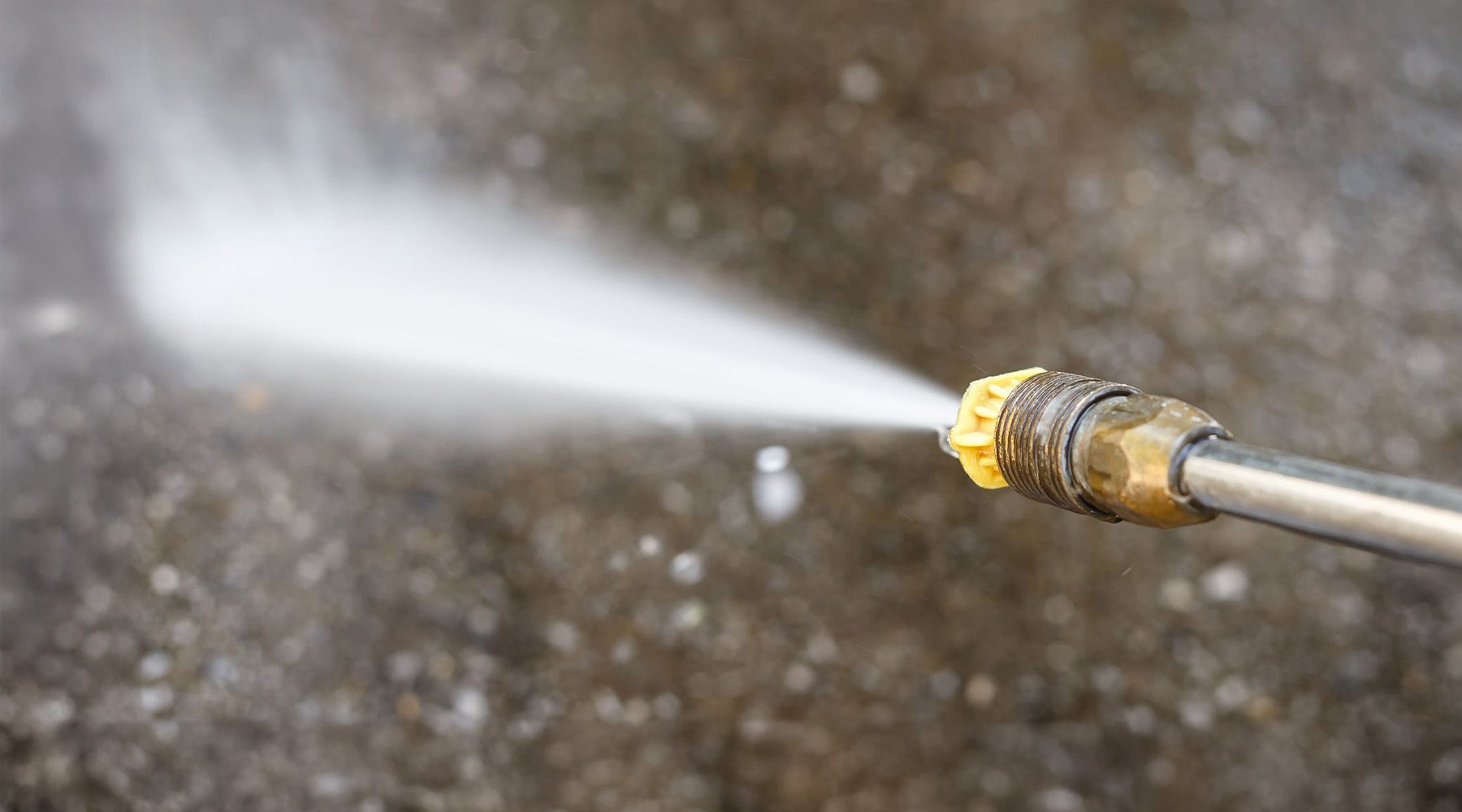
Hydrojetting in Skagit and Whatcom Counties
High Pressure Pipe Cleaning · Grease Removal · Root Cutting · Full Diameter Restored. Licensed specialists scouring pipes clean across Bellingham, Mount Vernon & Anacortes.

Snaking Opens a Hole — Hydrojetting Restores the Entire Pipe
A drain cable punches through a blockage and restores flow, but it leaves grease on the walls, roots clinging to joints, scale coating the interior, and years of accumulated buildup narrowing the pipe. Within weeks or months, that buildup catches new waste and the clog returns. You're paying to clear the same drain over and over because the real problem — the buildup coating the pipe walls — was never removed.
LaVergne's provides professional hydrojetting services using high pressure water jetting equipment that scours the entire interior surface of the pipe, removing grease buildup, tree root intrusion, mineral scale, sediment, sludge, and years of accumulated waste. We restore full pipe diameter and flow capacity on residential sewer lines, commercial drain lines, kitchen grease lines, main sewer mains, and storm drains across Bellingham, Mount Vernon, Anacortes, and all of Whatcom and Skagit Counties.
What to Look for in a Hydrojetting Professional
Hydrojetting uses water at 3,000 to 4,000 PSI or more — enough pressure to cut through grease, roots, and scale, but also enough to damage weak or deteriorated pipes if used incorrectly. A camera inspection before jetting is critical to verify the pipe can handle the pressure. A broken or collapsed section can't be jetted — it needs repair first. And the operator needs to select the right nozzle, pressure, and flow rate for the pipe material, diameter, and condition.
Why LaVergne's?
We check every box. Jetting pipes clean since 1951.
- Licensed & Insured (#LAVERPH798NZ)
- 75+ Years of Drain Work
- Camera Inspection Before Jetting
- Commercial Grade Jetter
- 5 Star Customer Reviews
- Upfront, Honest Pricing Always
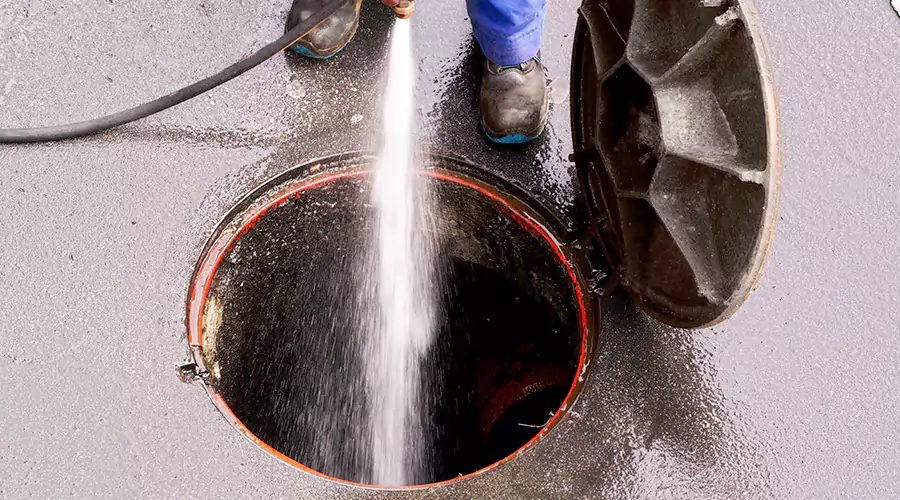
Hydrojetting Services
Six hydrojetting service areas covering every pipe type, buildup condition, and application from residential sewer lines to commercial grease lines.
Residential Sewer Jetting
Main sewer lines scoured clean of grease, roots, scale, and years of buildup. Restores full pipe diameter and flow capacity. Results last years compared to weeks from snaking alone.
Jet Clean →Grease Line Jetting
Kitchen drain lines and commercial grease lines blasted clean of solidified grease, fats, and oil buildup. The only method that fully removes grease from pipe walls rather than just punching through it.
Jet Clean →Root Cutting & Jetting
Roots cut and flushed from sewer pipe joints using root-cutting nozzles and high pressure water. Removes root mass completely and scours the pipe clean. Camera verification before and after.
Remove →Scale & Mineral Removal
Hard water scale, mineral deposits, and calcification blasted from pipe interiors. Common in older cast iron, galvanized, and clay pipes. Restores flow without replacing the pipe.
Descale →Commercial Drain Jetting
Restaurant kitchens, commercial laundries, food processing, and industrial drain lines jetted clean on scheduled maintenance or emergency basis. Prevents health code violations and costly shutdowns.
Jet Clean →Pre-Purchase Jetting
Sewer lines jetted and camera inspected before property purchase. Reveals true pipe condition after removing all buildup. Prevents buying a property with hidden sewer problems.
Inspect →Recurring Clogs? Grease Buildup? Roots?
Professional hydrojetting across Bellingham, Mount Vernon, Anacortes and all surrounding areas.
Snaking vs Hydrojetting — When Each One Is Right
Both snaking and hydrojetting have their place. Snaking is faster and cheaper for simple one-time clogs. Hydrojetting is the right solution when the problem is buildup, roots, or recurring blockages. Here's when each method is the right call.
We always recommend the method that actually solves your problem — not the most expensive one. If snaking will fix it, we snake it. If jetting is needed, we explain why and show you on camera.
Simple One-Time Clog
Hair in a bathroom drain, food in a kitchen drain, or a foreign object in a toilet. Snaking is faster, cheaper, and the right solution. No need to jet a pipe for a simple clog that won't recur.
Snake It →Grease Coated Lines
Kitchen drains and main lines coated with years of grease buildup. Snaking punches a hole that closes again in weeks. Jetting scours grease off every surface and restores full diameter. Jetting is the right call.
Jet It →Root Intrusion
Roots growing into pipe joints. Snaking cuts a channel through the root mass but leaves roots attached to grow back. Jetting cuts and flushes the entire root mass and scours the joint clean.
Jet It →Recurring Clogs
Same drain clogging every few weeks or months. The cause is buildup that snaking doesn't fully remove. Jetting restores the pipe to near-new condition and the results last years instead of weeks.
Jet It →
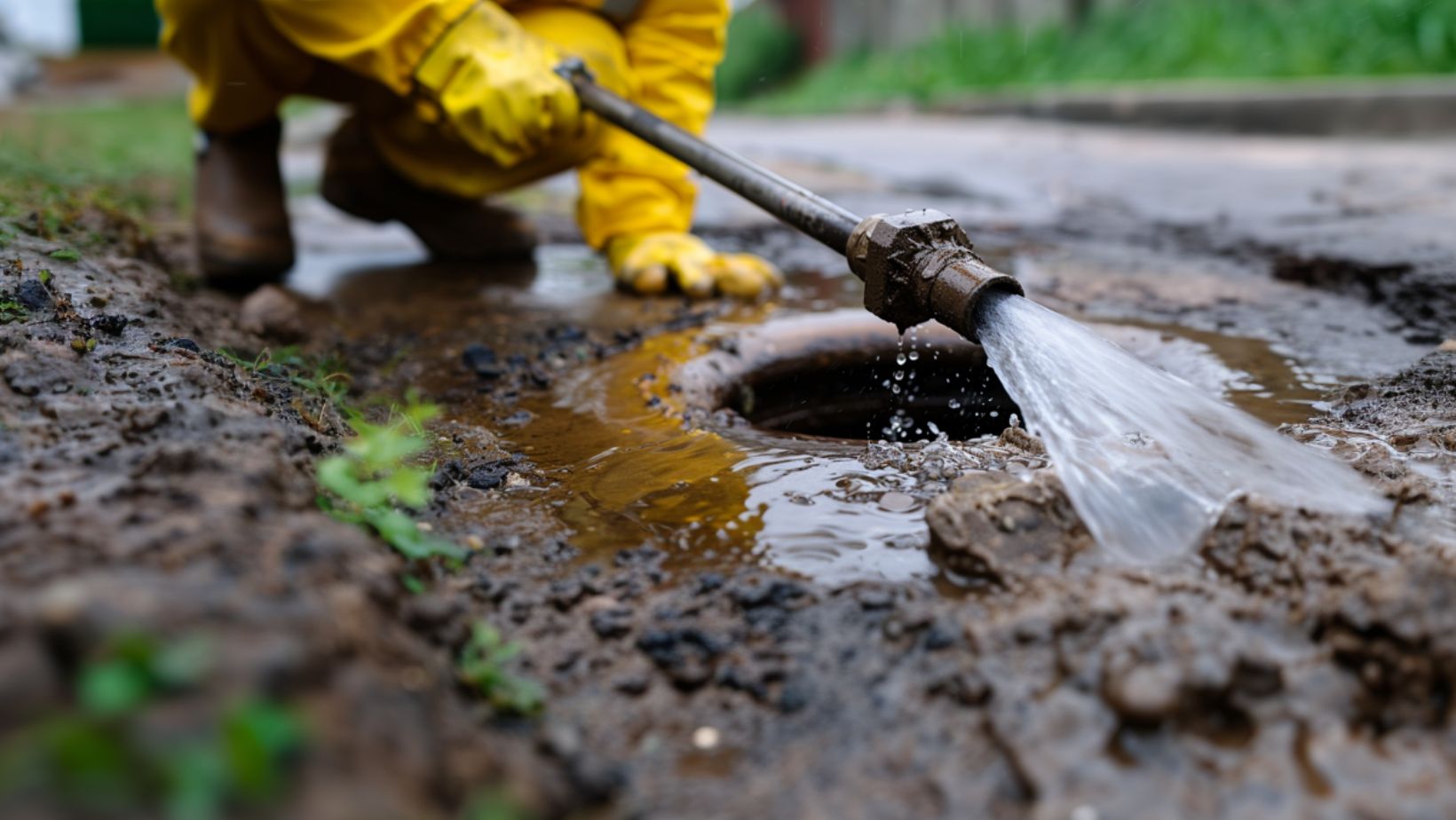
Why Professional Hydrojetting Matters
Hydrojetting uses water at 3,000 to 4,000+ PSI — enough force to cut through grease, roots, and mineral scale. But that same pressure can blow out weak joints, crack deteriorated clay pipe, or rupture corroded cast iron if the pipe isn't inspected first. A camera inspection before jetting is essential to verify the pipe is structurally sound.
Licensed plumbers camera inspect before jetting, select the right nozzle and pressure for your pipe material and diameter, jet systematically from downstream to upstream, and camera verify results after jetting. They know when jetting will solve the problem and when the pipe needs repair instead.
Camera First
Inspect before jetting
360° Clean
Every surface scoured
Camera After
Verified results shown
Hydrojetting FAQs
Common hydrojetting questions answered by our licensed specialists serving Whatcom and Skagit Counties.
How much does hydrojetting cost?
Residential hydrojetting typically runs $350 to $800 depending on pipe length, access, and condition. Commercial jetting runs higher based on pipe size and buildup severity. We always quote upfront after camera inspection.
Is hydrojetting safe for old pipes?
It depends on condition. We camera inspect every pipe before jetting. Sound older pipes handle jetting well. Severely deteriorated, cracked, or collapsed pipes cannot be jetted safely — they need repair first. The camera tells us which applies.
How long do hydrojetting results last?
Typically 1 to 5 years depending on the cause. Grease lines stay clear 1 to 3 years with normal use. Root-jetted lines stay clear 2 to 5 years depending on root activity. Snaking results typically last only weeks to months by comparison.
What is the difference between snaking and jetting?
Snaking pushes a cable through the clog to open a channel. Jetting blasts the entire interior surface of the pipe with high pressure water, removing all grease, roots, scale, and buildup. Jetting cleans the pipe, snaking just opens a path.
Do you camera inspect before jetting?
Yes, always. Camera inspection before jetting is essential to verify the pipe is structurally sound and can handle the pressure. It also identifies the exact type and location of buildup so we select the right nozzle and approach.
Can hydrojetting remove tree roots?
Yes. We use root-cutting nozzles that slice through root masses inside the pipe, then high pressure water flushes the cut roots out. The pipe is left clean and clear. For heavy root intrusion, we recommend jetting over snaking every time.
Is hydrojetting good for commercial kitchens?
Yes. Hydrojetting is the best method for commercial kitchen drain lines. Grease solidifies on pipe walls and snaking only punches a temporary hole. Jetting removes all grease from the interior surface. We offer scheduled maintenance jetting for restaurants.
Will hydrojetting damage my landscaping?
No. Hydrojetting is done through existing cleanout access points. There is no digging, no excavation, and no damage to landscaping, driveways, or structures. The jetter hose enters through the cleanout and cleans from inside the pipe.
What areas do you serve?
We provide hydrojetting services across all of Whatcom and Skagit Counties including Bellingham, Mount Vernon, Anacortes, Burlington, Sedro Woolley, Ferndale, Lynden, and surrounding areas.