

Whole House Repiping Done Right
When a home's original piping starts failing, it rarely fails once. Repiping replaces the entire distribution system — every supply line, every fitting — so you stop paying for the same repair in a different wall, year after year.
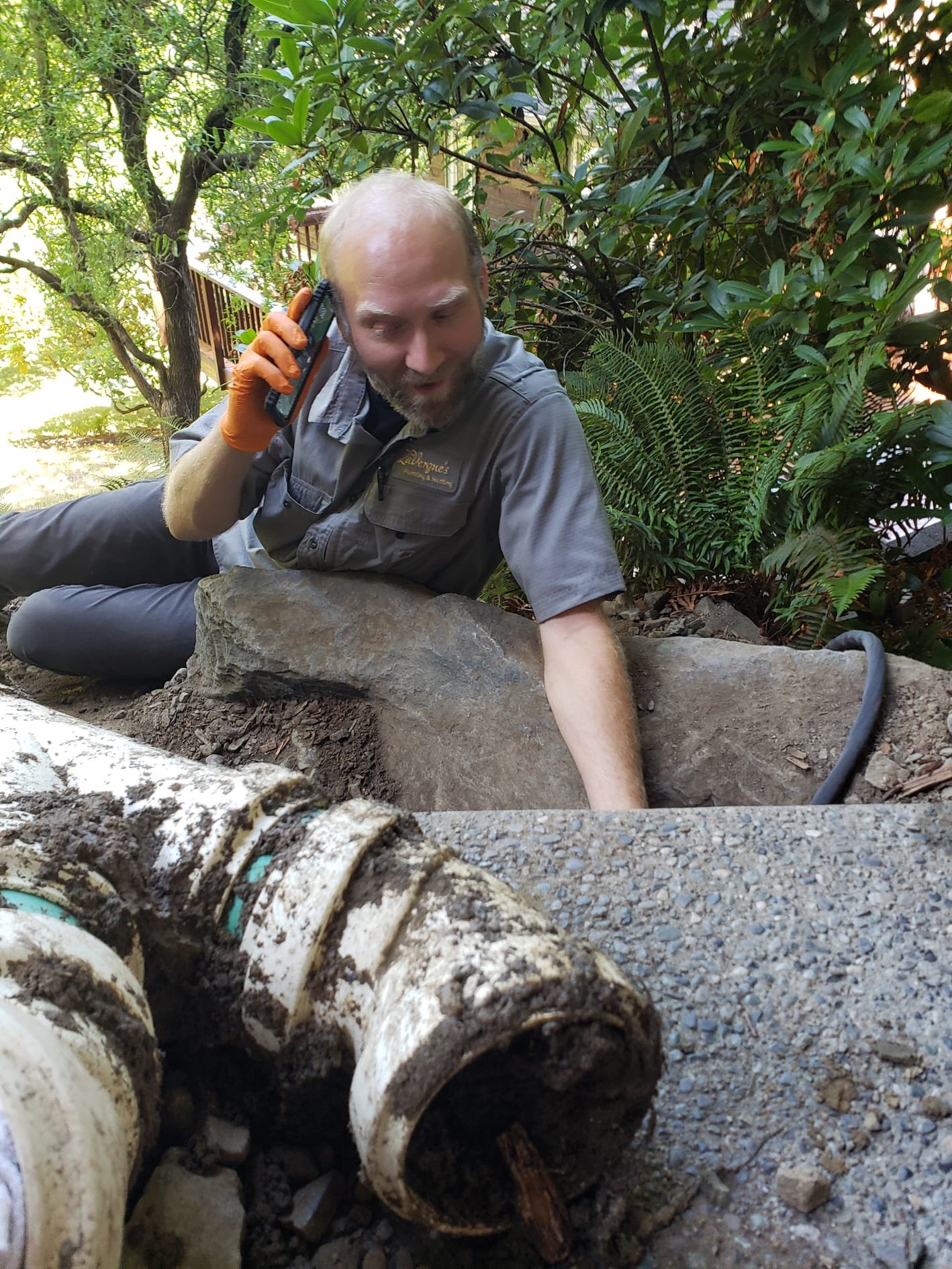
When Patching Pipes Stops Making Financial Sense
There's a tipping point every aging plumbing system reaches. The first leak is a repair. The second is bad luck. By the third, you're not fixing a pipe anymore — you're funding the slow-motion failure of an entire system, one emergency call at a time. Galvanized steel homes from the mid-century era, polybutylene systems from the '80s and '90s, and even copper in areas with aggressive water chemistry all eventually reach that point, and no individual patch changes the age of everything around it.
A whole house repipe resets the clock completely. We replace every supply line from the point of entry to the last fixture, typically with PEX-A tubing or new copper depending on your home and preference. Older housing stock in Bellingham, Sedro-Woolley, and Mount Vernon is full of systems now 50 to 70 years past installation — and the difference owners notice immediately isn't just peace of mind, it's water pressure, clear water, and quiet pipes.
A Repipe Is a Logistics Job as Much as a Plumbing Job
The plumbing itself — running new line, making joints, setting manifolds — is craft any good plumber has. What separates repipe specialists is everything around it: sequencing the work so your family isn't without water overnight, mapping access openings so the drywall repair afterward is minimal and predictable, and pressure-testing the entire new system before a single wall closes. A disorganized repipe turns a three-day project into a three-week disruption. An organized one is over before the neighbors notice the vans.
A complete fixture-by-fixture plan and firm quote before work begins — no discovering the price as we go.
Work is sequenced so supply is restored each evening. Nobody camps in a hotel for a repipe.
The full system is tested under pressure while everything is still accessible — leaks get found now, not later.
Repipes are permitted work in Washington. Ours are pulled, inspected, and documented for your records and resale.
Why LaVergne's?
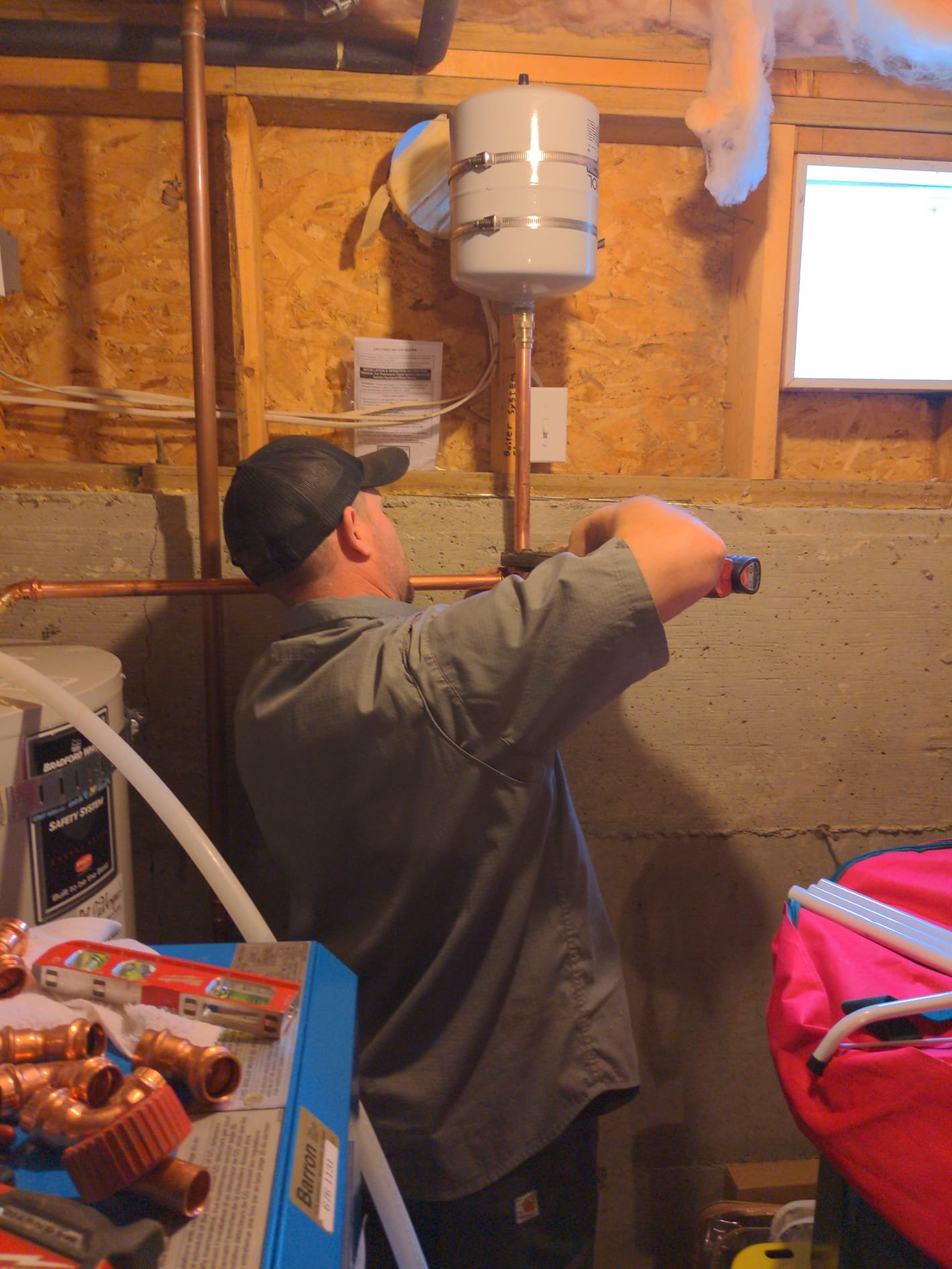
Often Bundled With a Repipe
With walls already open and water lines already new, some upgrades cost a fraction of what they'd run as standalone projects.
Water Heater Replacement
If your tank is within a few years of retirement, replacing it during the repipe means one mobilization and clean new connections throughout.
Learn More →Whole House Water Filtration
The water chemistry that ate your old pipes will start on the new ones too. Filtration at the point of entry protects the investment.
Learn More →Main Water Line Replacement
New pipes inside deserve a sound line outside. If the buried supply from the meter is original too, this is the moment to address it.
Learn More →Pressure Tank Replacement
Well households: a waterlogged or failing pressure tank hammers brand-new piping the same as old. We evaluate it as part of the plan.
Learn More →Bathroom Plumbing
Planning a bathroom update anyway? Coordinating it with the repipe saves opening the same walls twice.
Learn More →Leak Detection
Not sure you actually need a repipe? Start with a diagnostic. If the system can be saved honestly, we'll tell you.
Learn More →Tired of Fixing the Same System Twice a Year?
Get a straight assessment and a fixed-price repipe quote from a team that's been doing this since 1951.
Signs Your Home Is a Repipe Candidate
No honest plumber recommends a repipe from a single leak. The case builds from a pattern — and the pattern usually involves the pipe material itself. If your home still runs on original galvanized steel, gray polybutylene, or thin-wall copper that's developed multiple pinholes, the following signs mean the system is telling you something patches can't fix.
Repeat Leaks, Different Spots
Two or more leaks in different locations within a couple of years means the material is failing system-wide, not locally.
Rusty or Metallic Water
Discolored water at the tap — especially first thing in the morning — is galvanized pipe corroding from the inside out.
Pressure Fading Over Years
Corrosion narrows galvanized pipe like plaque in an artery. If pressure has slowly declined for years, the pipe diameter has too.
Gray Polybutylene Pipe
If you see gray plastic pipe stamped "PB2110," it's a material with a documented failure history — worth replacing before it chooses the timing.
Whole House Repiping FAQs
Helpful answers about Whole House Repiping from the experienced team at LaVergne's.
How long does a whole house repipe take?
Most single-family homes take two to four days of active work depending on size, fixture count, and crawlspace or attic access. Larger homes or those with finished basements on all sides may run longer. What matters most to daily life: we sequence the job so water is restored every evening, and we give you the schedule up front so there are no surprises.
PEX or copper — which should I choose?
PEX-A is our most common recommendation: it resists the pinhole corrosion that affects copper in some local water conditions, tolerates freezing far better — a real consideration in our November cold snaps — and installs with fewer joints, which means fewer future failure points. Copper remains an excellent choice where owners prefer it. We'll explain the tradeoffs for your specific home rather than pushing one answer.
How much drywall damage should I expect?
Far less than most homeowners fear. A planned repipe uses small, deliberate access openings at fixture locations and line runs — mapped in advance — rather than open-wall demolition. You'll receive a list of every opening we make, and the cuts are sized for clean, straightforward patching.
Does a repipe include the drain lines?
A standard repipe covers the pressurized supply system — hot and cold lines to every fixture. Drain, waste, and vent piping is a separate system with different failure modes and is evaluated separately, usually by camera. If your drains need attention too, we'll scope that honestly as its own project so you're comparing accurate numbers.
Will a repipe increase my home's value?
It removes one of the most common inspection red flags in older housing stock. Buyers' inspectors in Whatcom and Skagit County routinely flag galvanized and polybutylene systems, and some insurers surcharge or decline them. A permitted, documented repipe converts that liability into a selling point with paperwork to back it up.
Is financing available for a project this size?
Yes. A repipe is a significant investment, and we offer financing options on approved credit along with seasonal specials. Many families weigh the monthly cost against what they're already spending on repeat emergency repairs — and the math frequently favors solving it once.