Burst Pipe Repair — Right Now
First: find your main shutoff valve and close it. Then call us. A burst line can release hundreds of gallons an hour into your home, and the two things that limit the damage are how fast the water stops and how fast the repair starts.
What to Do in the First Five Minutes
Before anything else: shut off the water at the main valve. It's usually where the supply enters the house — a crawlspace, garage, utility room, or the meter box near the street. Turn it clockwise until it stops. Then open the lowest faucet in the house to drain pressure from the lines, kill power to any rooms where water is reaching outlets or fixtures, and move what you can out of the water's path. Those five minutes of action routinely make a four-figure difference in the final damage tally.
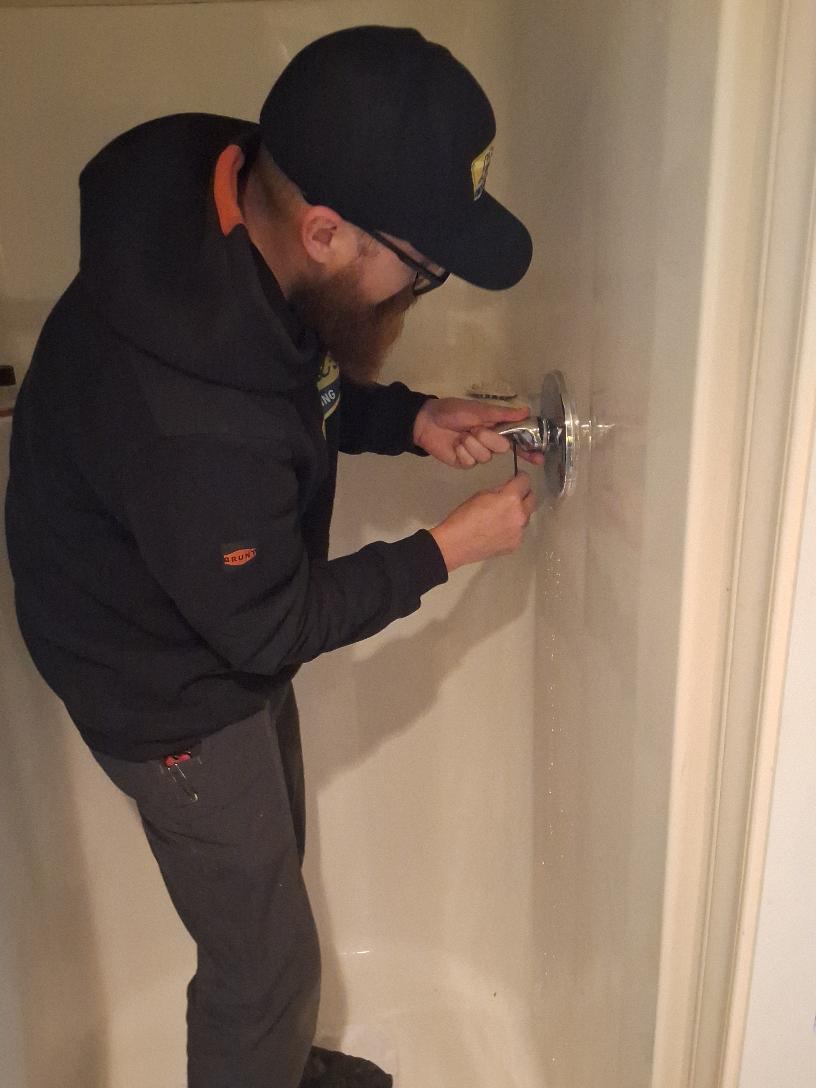
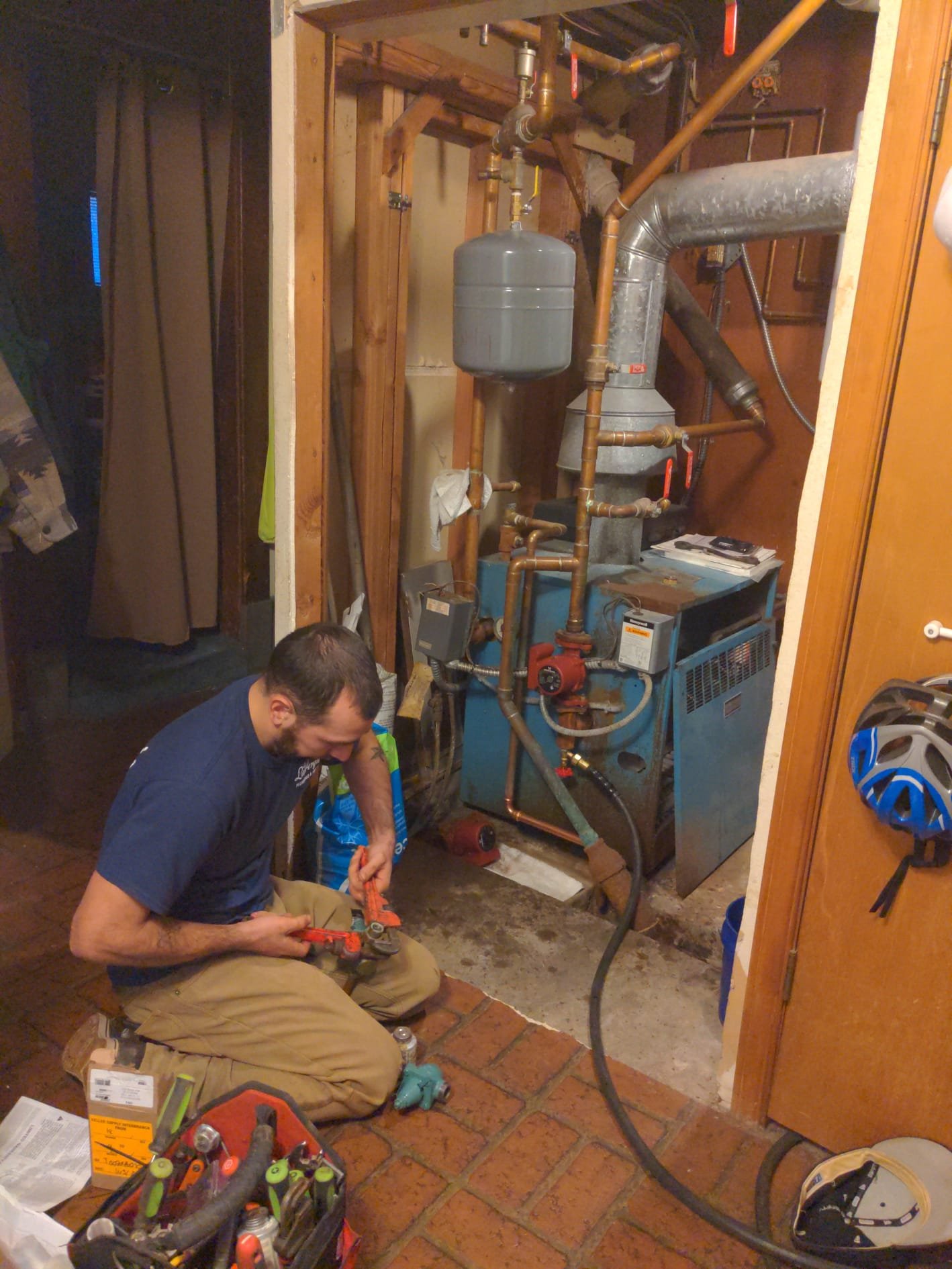
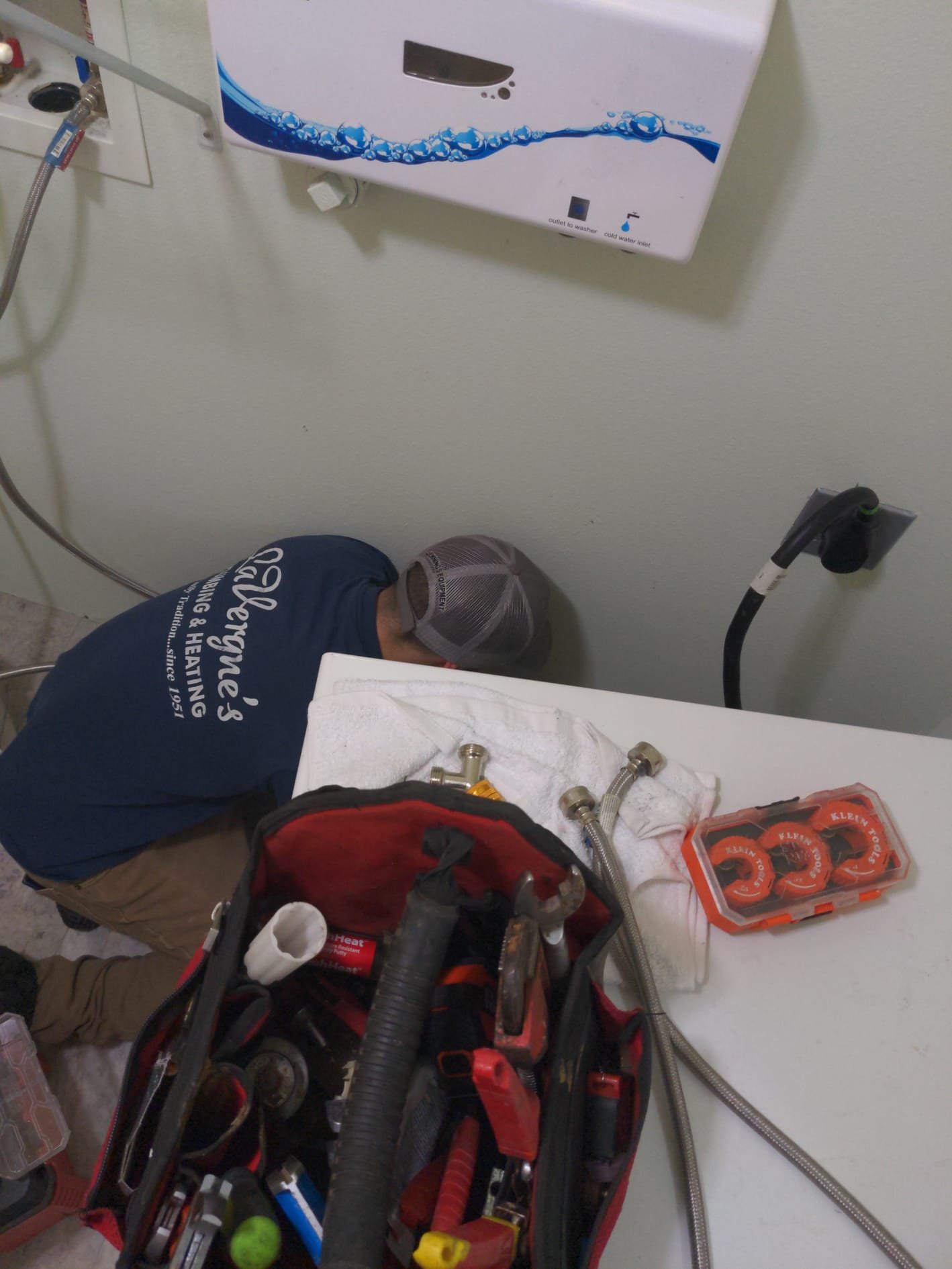
When our team arrives, the sequence is stabilize, diagnose, repair. We confirm the water is fully isolated, open access to the failed section, and determine why it burst — because a pipe that froze, a pipe that corroded through, and a fitting that let go under pressure are three different problems with three different permanent fixes. The repair you get is matched to the actual cause, pressure-tested before we leave, and documented with photos your insurance adjuster will want to see.
What Good Emergency Repair Looks Like
Emergency plumbing rewards preparation more than speed. A truck that arrives fast but has to leave for parts hasn't helped you. A repair that clamps the symptom without addressing why the pipe failed guarantees a second flood. The crews that handle bursts well carry stocked inventory for the pipe materials actually found in local homes, repair to permanent standards even at 2 AM, and check the surrounding line — because the conditions that burst one section have usually been working on its neighbors.
A live answer and a dispatched tech — not a morning callback for a problem measured in gallons per hour.
Proper couplings and replaced pipe sections, not temporary clamps that quietly become permanent.
We check the pipe around the failure — a freeze or corrosion event rarely damages just one spot.
You approve the number before work begins. An emergency shouldn't mean a mystery invoice.
Why LaVergne's?
The Services a Burst Often Calls For Next
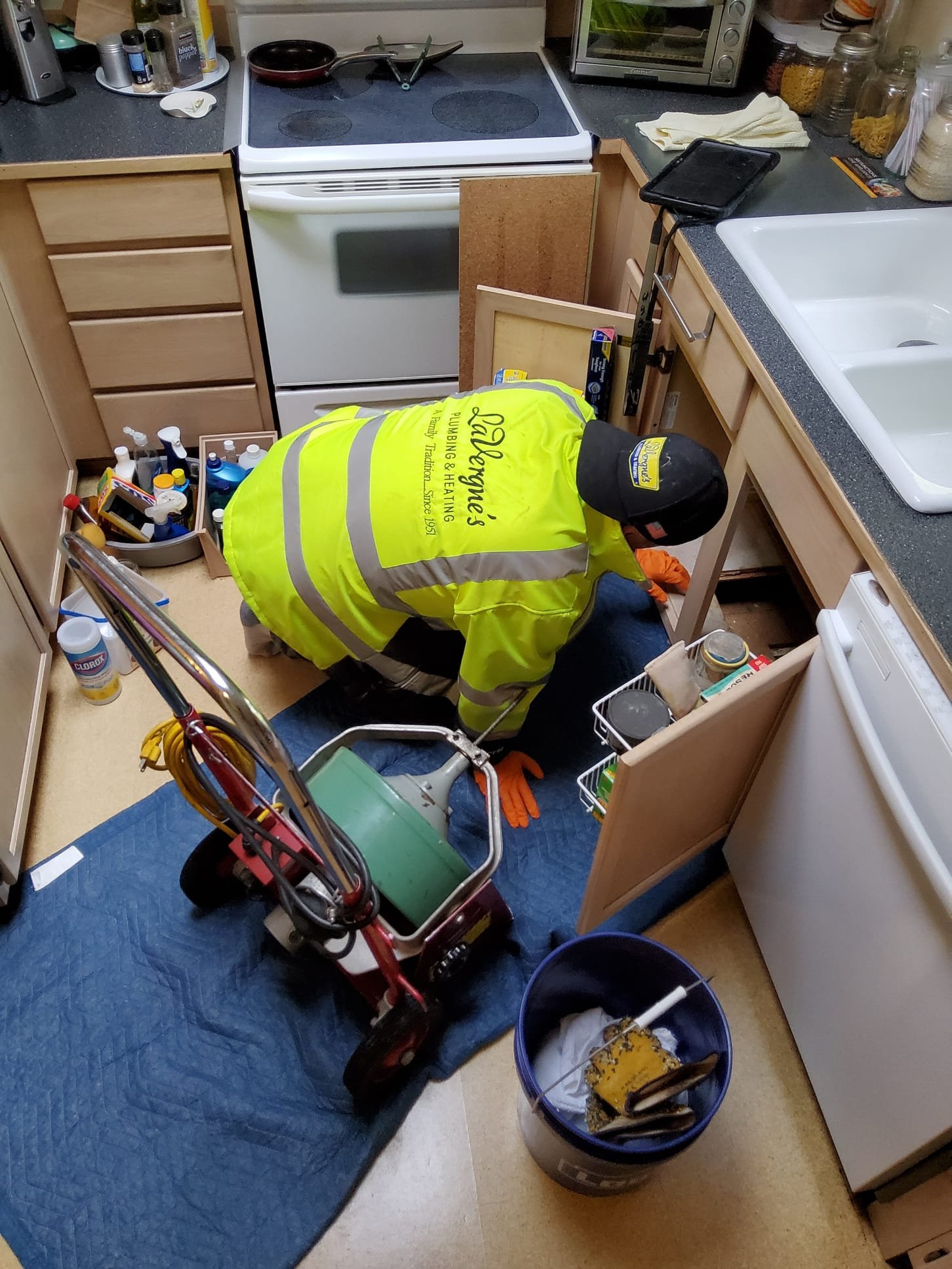
A burst pipe is an event; what caused it is a condition. These are the follow-on services that keep it from happening again.
Leak Detection
One dramatic burst sometimes has quiet siblings. Detection sweeps the system for damage that hasn't announced itself yet.
Learn More →Whole House Repiping
If the burst is the latest chapter in a failing system's story, we'll give you the honest repipe math — no pressure, just numbers.
Learn More →Main Water Line Repair
Bursts outside the foundation are their own discipline — locating, excavating, and repairing the buried supply line.
Learn More →Water Heater Repair
Pressure events and freezes are hard on water heaters too. If yours took collateral damage, we service every major type.
Learn More →Emergency Sewer Backup
Water coming up instead of spraying out is a different emergency with the same phone number.
Learn More →Emergency Plumbing
Every urgent plumbing failure — burst, backup, no water, gas odor — routes through our 24/7 emergency line.
Learn More →Water Where It Shouldn't Be?
Shut the main valve, then call 360-685-8098. We answer around the clock, every day of the year.
The Warnings a Pipe Gives Before It Lets Go
Pipes rarely fail without foreshadowing. Freeze bursts telegraph themselves during cold snaps — and our region's Fraser Valley outflow events, which can drop temperatures below freezing for days, catch crawlspace and exterior-wall pipes unprotected every winter. Corrosion and pressure failures leave their own clues for months beforehand. Catching any of these early converts an emergency into an appointment.
No Flow in a Cold Snap
A faucet that stops running during freezing weather means ice is blocking the line — and expanding. Act before it thaws and reveals the split.
Banging or Hammering Pipes
Water hammer stresses joints and weak spots with every slam. It's fixable — and far cheaper than what it eventually breaks.
Visible Corrosion or Bulging
Green-white crust on copper or scaling on steel marks thinning walls. A bulge or weep at a fitting is the final notice.
Pressure Spikes or Whistling
Whistling fixtures and thumping lines can mean excess system pressure — the force that turns a weak spot into a rupture.
Burst Pipe Repair FAQs
Helpful answers about Burst Pipe Repair from the experienced team at LaVergne's.
Where is my main water shutoff valve?
Most local homes have one where the supply line enters — check the crawlspace near the foundation on the street-facing side, the garage, or a utility room. There's also a shutoff at the meter box near the street. Find yours before you need it, make sure it turns, and show everyone in the house. It's the most valuable sixty seconds of preparation in home ownership.
Why do pipes burst in freezing weather?
Water expands roughly nine percent when it freezes, and in a sealed pipe that expansion has nowhere to go — pressure builds between the ice plug and the closed faucet until something splits. The burst often isn't discovered until the thaw, when water starts moving again through the now-open seam. Crawlspace lines, exterior walls, and hose bibs are the usual local victims.
Can I just put a repair clamp on it myself?
A clamp is a fine way to limp to the weekend — it is not a repair. Clamps seal the visible split while the pipe around it carries the same damage that caused the failure, and they let go without warning, usually when nobody's home. Use one to buy hours if you must, then have the section properly replaced.
Does insurance cover burst pipe damage?
Sudden and accidental water damage — the classic burst — is covered under most homeowner's policies, though the aftermath claims go smoother with good documentation of the failure and the repair, which we provide. Damage attributed to long-term neglect is a different category. Your agent can confirm your policy's specifics.
How fast can you actually get here?
We dispatch emergency calls around the clock across Whatcom and Skagit County, from Blaine and Sumas down to Mount Vernon and La Conner. Exact timing depends on where you are and what the night looks like — but the phone is answered live, and with your main valve closed, the situation is stable while the truck is rolling.
How do I keep this from happening again?
Match the prevention to the cause. Freeze bursts: insulate exposed runs, seal crawlspace drafts, disconnect hoses before winter, and drip vulnerable faucets during hard freezes. Corrosion failures: assess whether the surrounding pipe is next. Pressure failures: a pressure test and possibly a regulator. When we repair yours, we'll tell you which category you're in and what actually prevents round two.