
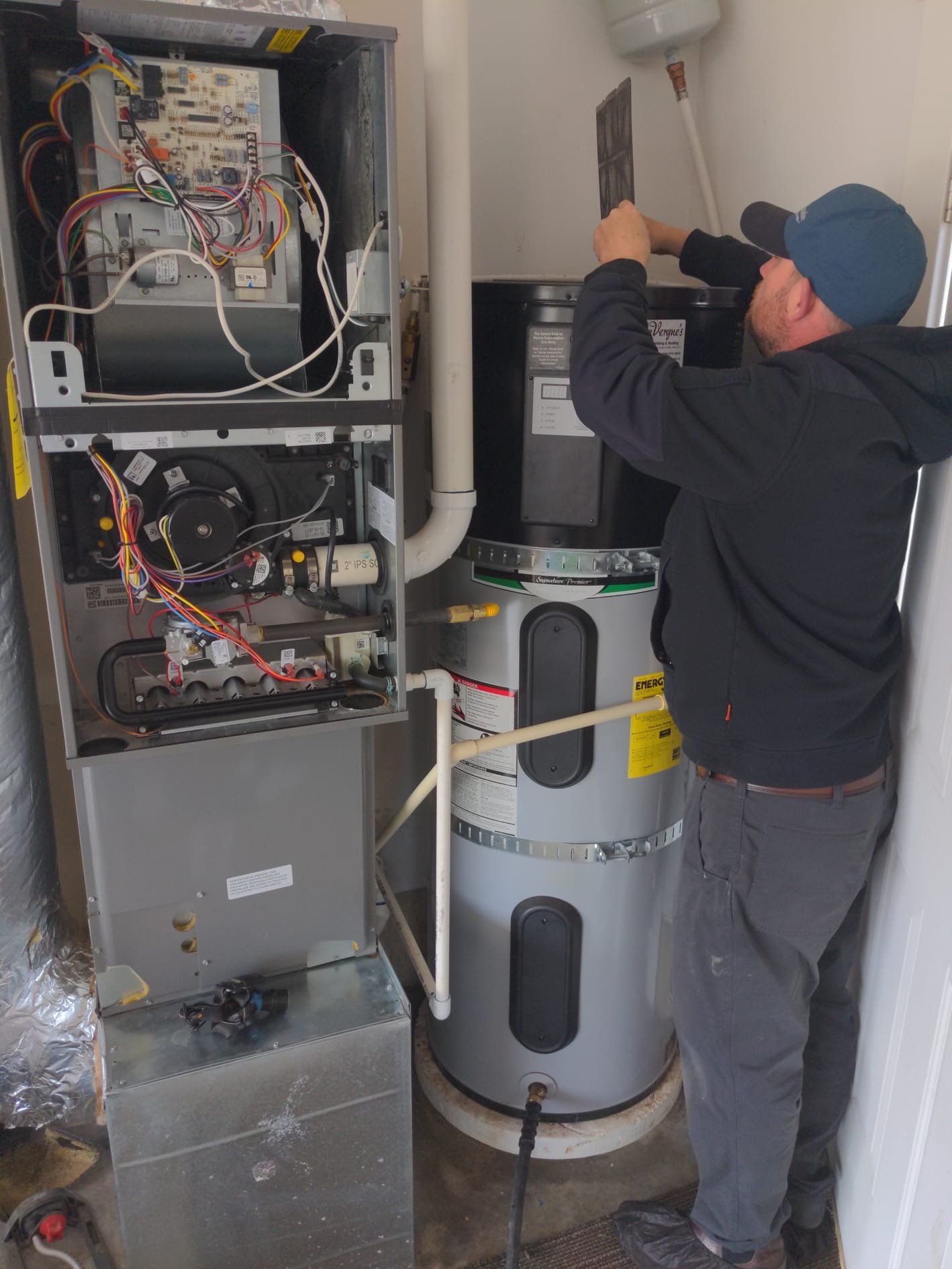
Professional Leak Detection Services
A hidden leak doesn't announce itself — it shows up as a climbing water bill, a warm spot on the floor, or a musty smell you can't trace. Our technicians locate the source with acoustic listening equipment and thermal imaging before a single wall is opened.
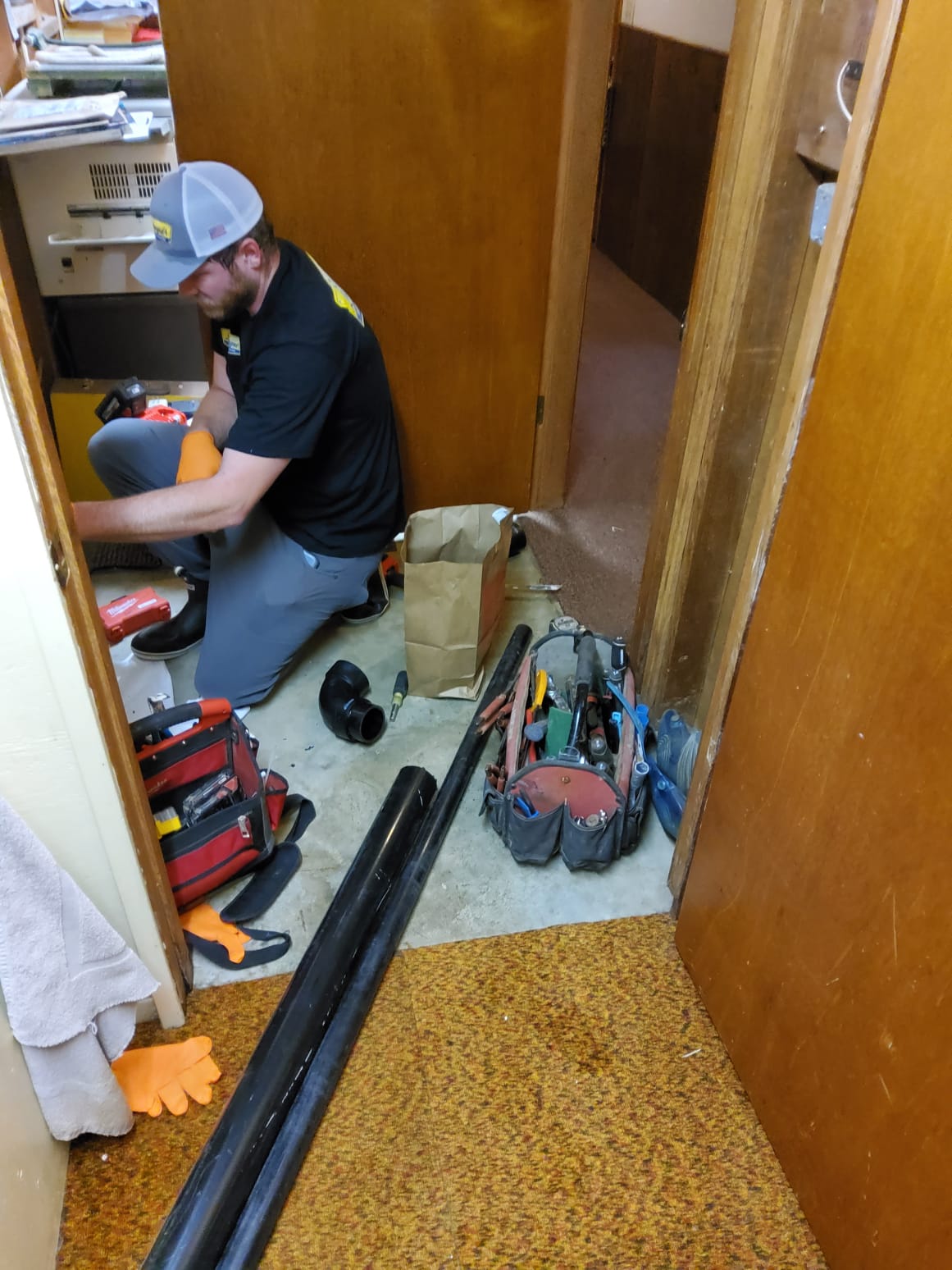
Leak Detection That Doesn't Tear Your Home Apart
The old way of finding a leak was ugly: open the drywall, break the concrete, follow the water, and hope. Modern leak detection works in reverse — we identify the exact location first, then open only what's necessary. Using electronic listening devices, thermal cameras, and pressure isolation testing, our technicians trace water to its source whether it's a pinhole in a copper line behind your shower wall, a failed fitting under the kitchen slab, or a supply line seeping somewhere between the meter and your foundation.
That precision matters, because every day a leak runs undetected it feeds mold growth, rots framing, and inflates your bill. Most of the leaks we locate in Whatcom and Skagit County homes have been active for weeks before anyone noticed — and in our wet climate, homeowners often blame the symptoms on ordinary Pacific Northwest dampness until the evidence becomes impossible to ignore.
Why Leak Detection Is a Specialist's Job
Any plumber can fix a pipe once it's exposed. The skill is in finding it without destroying your home in the process. Misdiagnosed leaks are among the most expensive mistakes in residential plumbing — homeowners pay for demolition in the wrong spot, then pay again for the actual repair. A qualified leak detection technician combines the right instruments with the experience to interpret them, because a slab leak, a fixture leak, and simple groundwater intrusion can all present identical symptoms on the surface.
Acoustic amplification and thermal imaging narrow the leak to within inches before any cutting begins.
We confirm the source with pressure isolation so the first access opening is the only one needed.
The same team that finds the leak can fix it — often on the same visit, with no second contractor.
Photos, meter readings, and moisture data you can hand directly to your insurance adjuster.
Why LaVergne's?
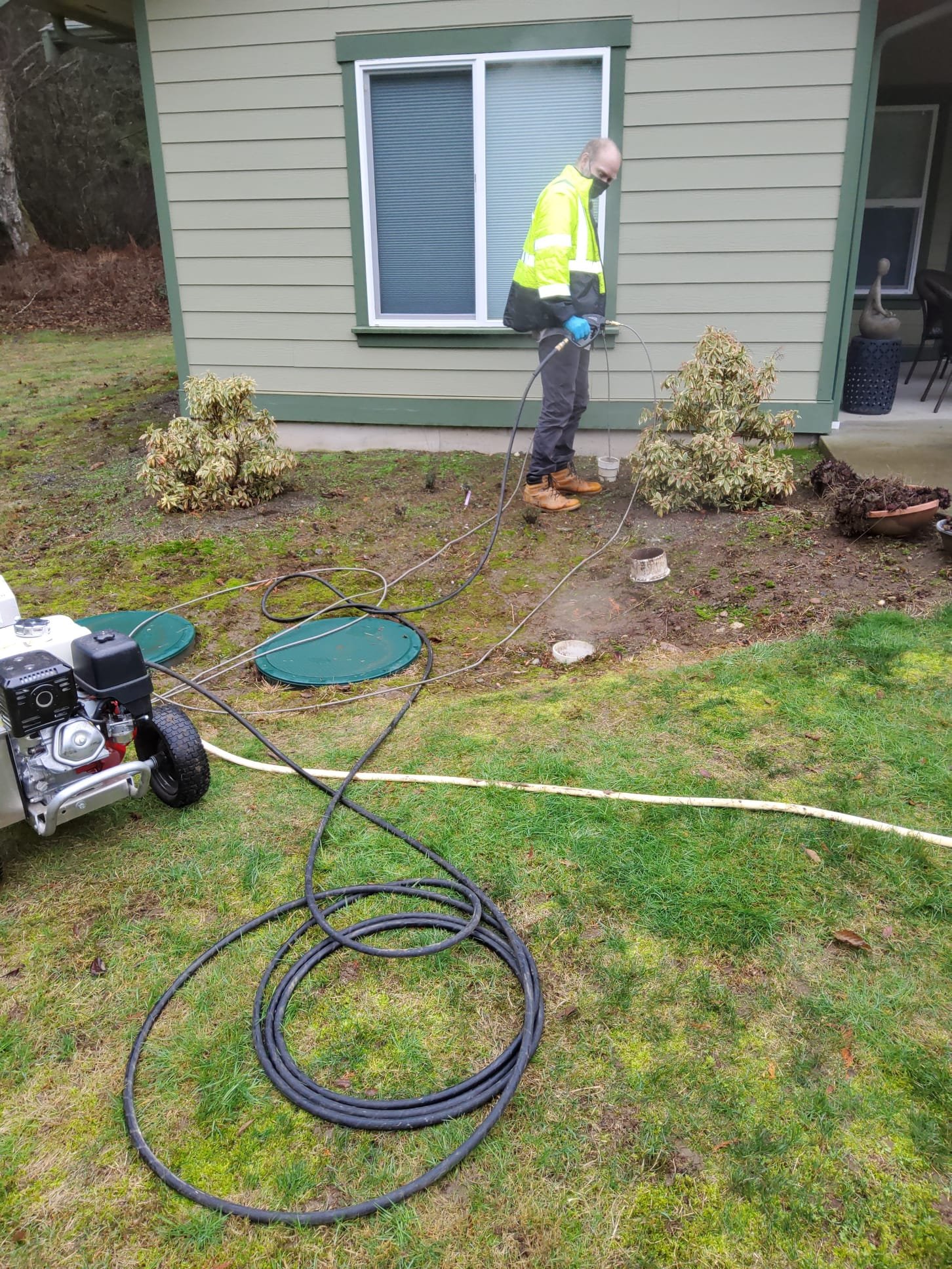
Where Leak Detection Leads
Finding the leak is step one. Depending on what the equipment uncovers, here's how we solve the problem for good.
Burst Pipe Repair
When detection reveals an active rupture rather than a slow seep, we shift straight into emergency repair mode to stop the loss and restore your water.
Learn More →Main Water Line Repair
Leaks between the meter and the house are on your side of the line. We excavate or spot-repair the buried supply without disturbing more yard than necessary.
Learn More →Whole House Repiping
When detection finds the third pinhole in the same aging copper or galvanized system, patching stops making financial sense. We'll show you the math honestly.
Learn More →Water Leak Repair
Straightforward fixture and supply-line leaks get fast, permanent fixes — not temporary clamps that fail six months later.
Learn More →Sewer Camera Inspection
Wet spots in the yard aren't always a supply leak. A camera run through the sewer line tells us definitively whether drainage is the real culprit.
Learn More →Gas Leak Detection & Repair
A suspicious odor deserves the same pinpoint approach — electronic gas sniffers locate the failure so repairs are targeted and code-compliant.
Learn More →Water Bill Suddenly Higher? Don't Wait It Out.
A leak never fixes itself — it only gets more expensive. Get an exact answer today from a local team that's been finding them since 1951.
How Hidden Leaks Reveal Themselves
Water always leaves evidence — you just have to know what counts as evidence. Here's a simple test any homeowner can run: turn off every fixture and appliance, then watch your water meter. If the dial is still moving, water is escaping somewhere on your side of the meter. From there, these are the four most common ways a hidden leak announces itself inside the home.
Unexplained Bill Increase
A jump of 20% or more with no change in household habits is the single most reliable leak indicator there is.
Warm Spots on Floors
Often the first sign of a hot-water slab leak — and your water heater will usually be running more than normal too.
Musty Odors & Staining
Mildew smells or faint ceiling and wall spotting mean moisture is accumulating somewhere inside the structure.
Sound of Running Water
Hissing or trickling in the walls when every fixture is off means a pressurized line is leaking right now.
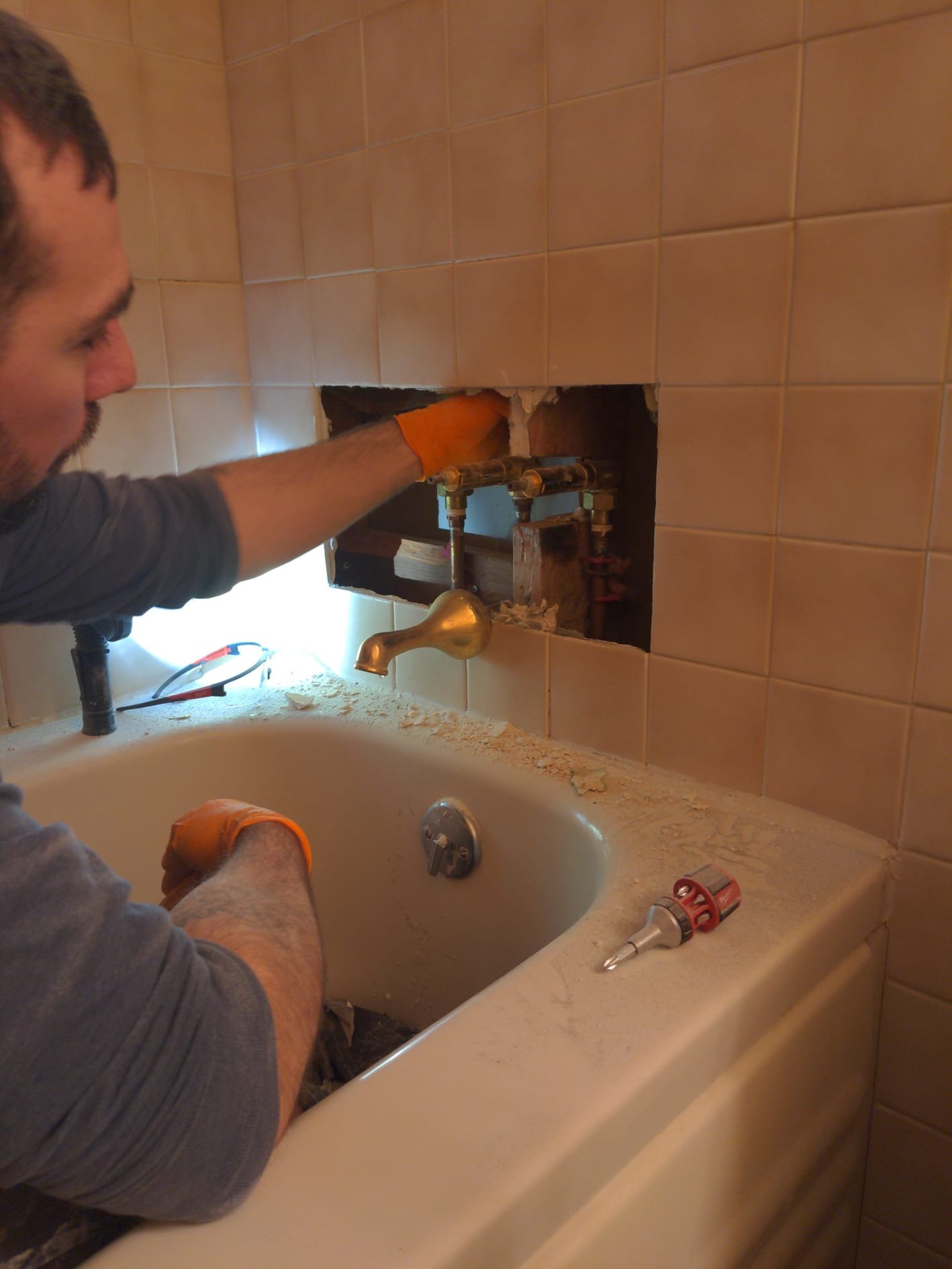
Leak Detection FAQs
Helpful answers about Leak Detection from the experienced team at LaVergne's.
How do you find a leak without opening walls?
Pressurized water escaping a pipe makes a distinct sound, and acoustic amplification lets us hear it through drywall and concrete. Thermal imaging adds a second layer of evidence by revealing temperature differences where water is moving or pooling. Cross-referencing both against pressure isolation tests tells us exactly where to open — usually a single small access point.
Can you detect leaks under a concrete slab?
Yes — slab leaks are one of the most common calls we run. Hot-water slab leaks often reveal themselves through warm floor spots, while acoustic gear picks up the leak signature through the concrete itself. Breaking the slab blindly is never the first step; we locate first, then make one targeted opening or reroute the line entirely if that's less invasive.
How much water does a small leak actually waste?
More than most people believe. A pinhole leak in a pressurized line can lose several thousand gallons a month — enough to noticeably move a water bill and thoroughly soak the framing or soil around it. The repair almost always costs less than a few months of the water it's wasting, before even counting the structural damage it prevents.
Will homeowner's insurance cover the damage?
Most policies cover sudden and accidental water damage but exclude damage from long-term neglect, which makes early detection and documentation critical. We photograph findings, record meter readings, and note moisture levels precisely so you have professional evidence to submit with a claim. Coverage details vary by policy, so your agent has the final word.
I'm on a well — does leak detection still apply?
Absolutely, and the warning sign just looks different. Instead of a high water bill, well households notice the pressure tank cycling constantly or the pump running when no water is being used — that's the well-system equivalent of a spinning meter. We trace leaks on well-supplied properties throughout Whatcom and Skagit County, from the pitless adapter to the fixtures.
What happens after you locate the leak?
You get options, not pressure. Many leaks are resolved with a spot repair the same day. If the line is failing in multiple places or the pipe material itself has reached end of life, we'll lay out repair versus reroute versus repipe with honest numbers for each, and the decision stays yours.