
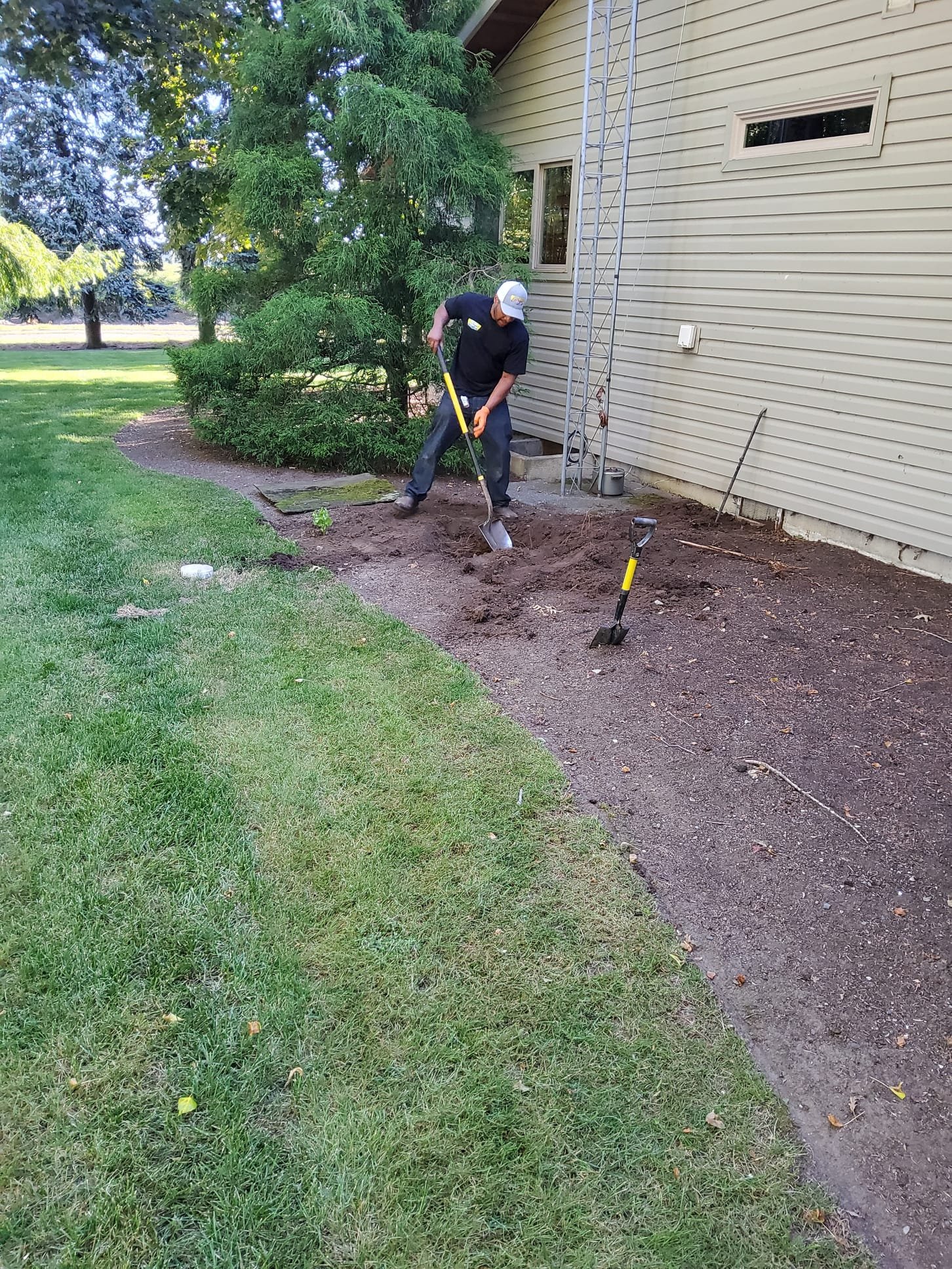
Gas Line Installation
Every great gas appliance is only as good as the line feeding it. We run new gas lines for ranges, dryers, fireplaces, generators, grills, and shop heaters — sized to the BTU math, permitted properly, and pressure-tested before the first flame.
Where New Gas Lines Take Local Homes
The requests tell the story of how people actually live here. The electric-to-gas range conversion tops the list — serious cooks want the flame. Gas dryers follow for their operating cost. Fireplace inserts and freestanding stoves turn damp gray winters cozy. Patio runs feed built-in grills and fire tables that extend the outdoor season on both ends. Standby generators — increasingly popular after every windstorm outage from Blaine to Burlington — need dedicated high-capacity lines. And detached shops and garages get unit heaters that make winter projects civilized. Each is a different run with different demands, and all of them start with the same two questions: what does the appliance need, and what can the system spare?
That's the BTU math. Every appliance has a demand rating, every pipe size and length has a delivery capacity, and the whole house shares one meter or tank with its own limit. Add a large new load to a system sized decades ago and — without the math — the new appliance can starve the furnace on the coldest night of the year. So we calculate the full system load, size the new run (and upsize the trunk or meter where needed), route it cleanly, and prove it tight under pressure test with the inspector's sign-off. The flame you cook on is the last step of a process, and the process is the product.
The Craft Choices Inside a Gas Run
Gas piping offers real material choices, each with a right context: traditional black iron for durability and exposed mechanical runs; CSST (corrugated stainless) for efficient routing through framed structures — with the bonding and protection requirements that come with it; and approved poly for buried exterior runs to shops, grills, and generators, trenched at proper depth with tracer wire so it can be located forever after. Joint standards, sediment traps, drip legs, shutoff valve placement, and appliance connectors all have code homes too. None of this is exotic to a licensed fitter — and all of it is exactly what separates a gas line from a liability someone left in your walls.
Black iron, CSST, or buried poly chosen for each segment's environment — with the bonding and protection each requires.
Accessible appliance valves and clean connections — the details future-you thanks us for.
Proper depth, bedding, and tracer wire on exterior lines — installed once, locatable always.
Permitted and signed off, with documentation that follows the house through every future sale.
Why LaVergne's?
Projects That Pair With a New Gas Run
A new line is usually chapter one of a bigger upgrade. These are the chapters that follow — and the services that keep the whole system honest.
Tankless Water Heater Installation
The most demanding appliance most homes ever add — and the reason many gas line upsizes happen. One project, both handled.
Learn More →Gas Leak Detection & Repair
Adding load to aging piping? A system sweep first finds the weak fittings before new pressure demands meet them.
Learn More →Gasfitting Services
Appliance connections, valve work, and system modifications — the full licensed gas trade beyond new runs.
Learn More →Furnace Installation
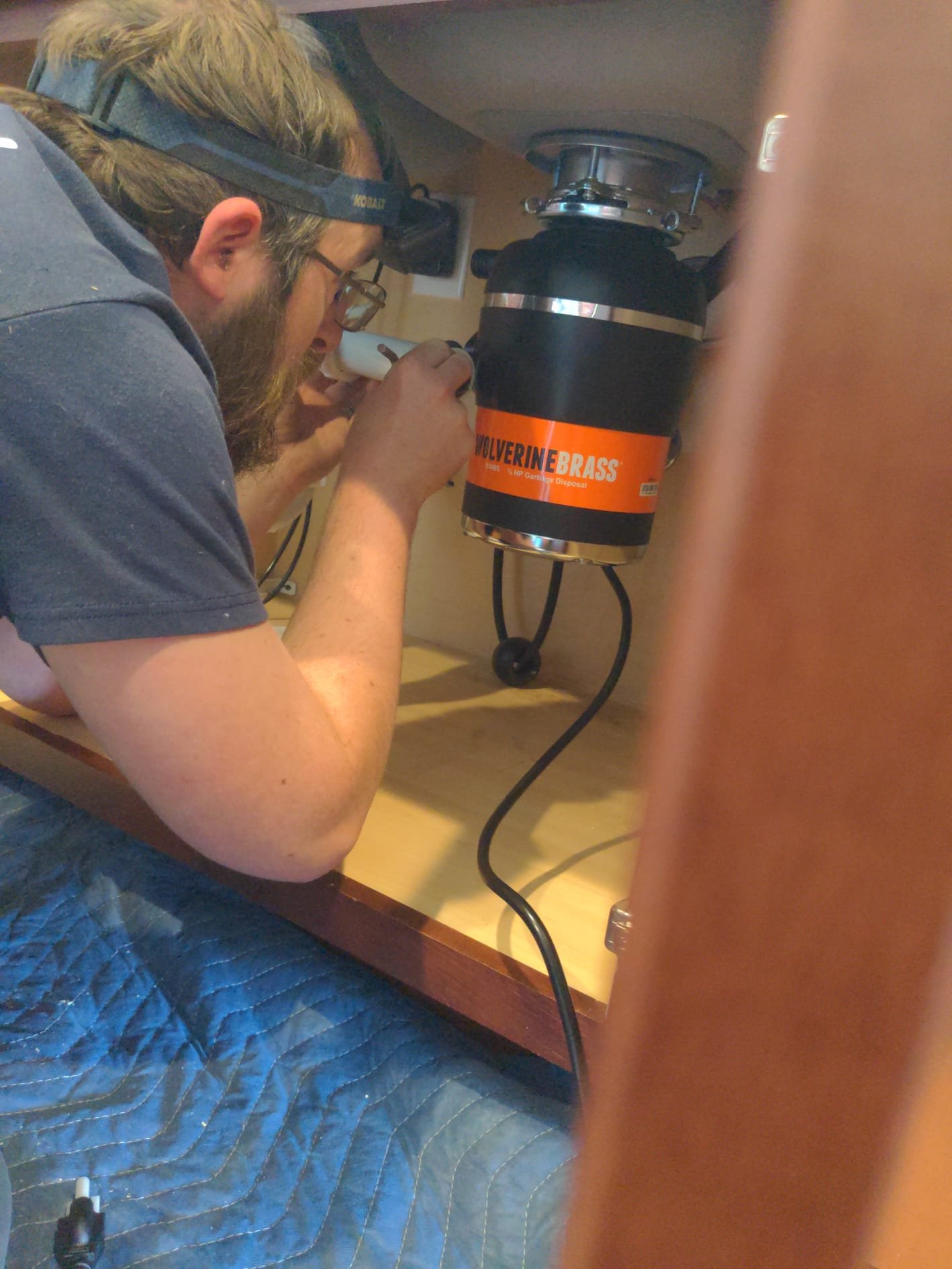
New gas heating equipment sized and installed by the same company running its fuel — accountability with one phone number.
Learn More →Kitchen Plumbing
Range conversions often ride along with bigger kitchen updates. The water side of the project lives here.
Learn More →Outdoor Plumbing
Patio kitchens want water as well as flame. Hose bibs, sinks, and outdoor lines to match the new grill run.
Learn More →Appliance Delivered but Nothing to Connect It To?
Get the line quoted before the range sits in its box another weekend. Load calc, permit, run, test — one visit gets most of them done.
What Determines a Gas Line Project's Scope
Two neighbors can ask for the same gas range hookup and get honestly different quotes, because the project is defined by what's already in the walls and what the whole house is burning. These four factors are what we assess on every quote — and knowing them helps you understand any bid you receive, including where a suspiciously low one is skipping steps.
Distance From Supply
A range ten feet from the trunk line and one across the house are different projects — length drives both pipe size and labor.
Spare System Capacity
If existing piping and the meter are already near their limit, the new load may require upsizing upstream — the quote item amateurs omit.
The Appliance's Appetite
A gas dryer sips; a standby generator or tankless heater gulps. BTU demand shapes everything from pipe diameter to meter conversations.
Route Conditions
Open crawlspace runs go quickly; finished walls, concrete, and buried exterior segments add method and cost — honestly quoted up front.
Gas Line Installation FAQs
Helpful answers about Gas Line Installation from the experienced team at LaVergne's.
Do I need a permit just to add a gas range line?
Yes — new gas piping and appliance connections are permitted, inspected work in Washington, regardless of the run's size. That's to your benefit twice over: the inspection independently verifies the work is tight and to code, and the closed permit becomes documentation at sale time, when unpermitted gas work is exactly the kind of finding that stalls closings. We pull and manage the permits as part of every job.
My house doesn't have natural gas service — what are my options?
Propane makes nearly every gas project possible anywhere in the county — a tank on the property, a regulator, and lines run to the appliances, with LP-configured equipment. It's the standard path for rural homes beyond the gas mains, and we design and install the house side of these systems routinely. If natural gas mains do reach your street, connecting is a conversation with the utility that we can help you navigate alongside the house piping.
Can you run gas to a detached garage, shop, or outdoor kitchen?
Yes — buried exterior runs are a specialty of rural service work. Approved polyethylene gas pipe goes in a trench at code depth with tracer wire for future locating, transitions to metallic riser at each end, and gets pressure-tested like any interior line. Shop heaters, generators, grills, and fire features are the usual destinations, and the trench is often the cheapest part of the whole upgrade.
How long does a typical installation take?
Most single-appliance runs — a range, dryer, or fireplace line — are completed in a day, including the pressure test. Longer routes, buried exterior segments, or system upsizing can add a second day, and the inspection is scheduled per the county's calendar. We'll give you the realistic timeline with the quote, including when you'll actually be cooking on the new flame.
Will adding a big appliance affect my existing gas equipment?
Only if nobody does the math — which is precisely the failure we prevent. Every system has finite delivery capacity, and a large new load on an unevaluated system can starve existing appliances at peak demand, showing up as a furnace struggling on the coldest night. Our load calculation accounts for everything burning at once; if the trunk line or meter needs upsizing to carry the new total, that's in the quote, not discovered next January.
What's the difference between hard pipe and the flexible yellow stuff?
Black iron is the traditional rigid steel — durable, time-proven, ideal exposed and at mechanical connections. The flexible yellow-jacketed tubing is CSST, corrugated stainless steel that routes through framing efficiently but carries specific code requirements, notably electrical bonding. Both are legitimate materials in their right contexts, and most quality installations use each where it serves best. What matters is the fitter knowing the requirements that ride along with each — which is licensed-trade knowledge, not preference.