

Water Heater Maintenance
Water heaters are the rare appliance where maintenance visibly pays: a serviced tank commonly outlives a neglected one by years, runs cheaper the whole time, and almost never delivers the classic surprise — a cold shower the morning of a flooded garage floor.
What Actually Happens During a Water Heater Tune-Up
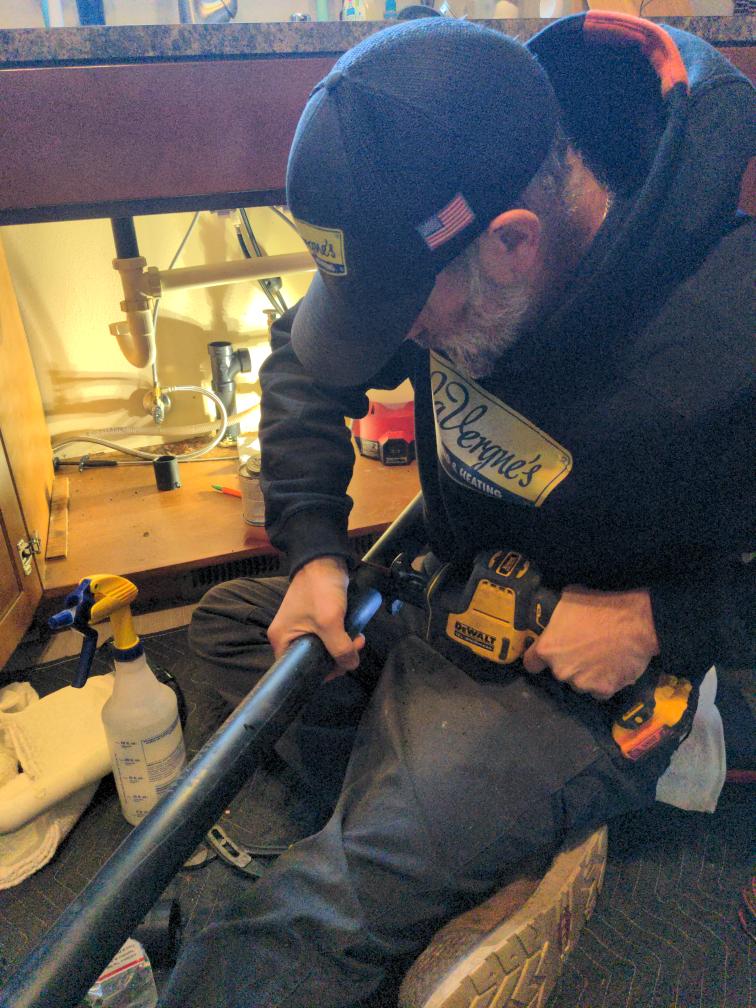
The service is concrete, not ceremonial. On a tank unit: we flush the sediment that's been settling on the bottom — mineral fallout that forces the burner or elements to heat through a layer of rock, wasting energy and, on gas tanks, producing that popping-rumbling soundtrack of an overdue flush. We inspect the anode rod, the sacrificial metal stick whose entire job is to corrode so your tank doesn't; a spent anode is the single most fixable cause of premature tank death, and almost nobody checks theirs. We test the temperature and pressure relief valve — the safety device you want proven working and never needed — verify thermostat settings, and eyeball connections, venting, and the pan for early trouble.
Tankless units get their own routine centered on descaling the heat exchanger, and hybrids add air filter and condensate care to the tank checklist. Across all three, the economics are the same story: an hour of service a year against the cost of early replacement, higher bills, and the timing of failures — which, in our experience across the county, cluster with cruel reliability around holidays and house guests.
A Tune-Up Should Also Be a Forecast
The visit's quiet value is prognosis. A technician with the tank open and the readings in hand can tell you where the unit sits in its life arc: an eight-year tank with a healthy anode and clean flush is worth every future service; a twelve-year tank weeping at a fitting with rust in the flush water is asking you to plan its replacement on your schedule instead of its own. That forecast — delivered honestly, without a sales agenda — is how maintenance customers end up choosing their water heater replacements calmly from a kitchen table instead of frantically from a flooded utility room.
Tank, tankless, and hybrid each get their own routine — not one generic once-over.
Temperatures, flush condition, and anode wear documented so trends are visible year over year.
Worn valves, drips, and settings corrected during the visit — no second appointment for ten-minute work.
Where your unit sits in its arc, in plain language — including "it's fine, see you next year."
Why LaVergne's?
When Maintenance Meets Its Limits
Good maintenance postpones these services for years — and tells you honestly when their time has come anyway.
Water Heater Repair
When the tune-up finds a failing element, thermostat, or valve, repair service picks up where maintenance leaves off.
Learn More →Water Heater Replacement
Every tank has a final year. When yours arrives, replace on your schedule with the forecast maintenance gave you.
Learn More →Tankless Water Heater Repair
On-demand units with error codes or fading output get brand-fluent diagnosis and repair.
Learn More →Heat Pump Water Heater Installation
If replacement is coming, the efficiency champion deserves a look — especially with current incentives.
Learn More →Whole House Water Filtration
The sediment we flush out every year came from somewhere. Treating the water slows the whole cycle down.
Learn More →Leak Detection
Moisture near the heater isn't always the heater. Detection sorts tank trouble from pipe trouble before parts get replaced.
Learn More →Can't Remember Ever Servicing It?
Then this year's visit matters most. An overdue first tune-up regularly finds — and fixes — the cheapest problems a heater will ever have.
Signs Your Water Heater Is Asking for Service
Between failures, a water heater communicates in small degradations — sounds, temperature drift, and visual hints that accumulate slowly enough to normalize. None of the four below means the unit is dying; each means it's working harder than it should, and a maintenance visit will either fix the cause outright or catch what's behind it early.
Rumbling, Popping, Crackling
Steam bubbles fighting through a sediment layer on the tank bottom — the sound of a flush that's overdue and efficiency being wasted.
Hot Water Running Out Sooner
Sediment displaces capacity and buries elements. A 50-gallon tank with an inch of mineral silt isn't 50 gallons anymore.
Rusty Tint or Metallic Smell
Discoloration in hot water only points at a spent anode letting the tank corrode — the finding worth catching a year early.
Moisture or Crust at Fittings
Weeping connections and mineral crust are small leaks announcing themselves politely, before they switch to announcing loudly.
Water Heater Maintenance FAQs
Helpful answers about Water Heater Maintenance from the experienced team at LaVergne's.
How often should a water heater actually be serviced?
Annually is the honest default for this area, and it's not arbitrary: sediment load from local water — especially on wells — accumulates fast enough that yearly flushing pays for itself in efficiency alone, and the safety checks deserve the same cadence. Homes on soft municipal water with light usage can sometimes stretch further; your first service tells us which camp you're in, from the evidence in the flush bucket.
What is the anode rod, and why does everyone neglect it?
It's a magnesium or aluminum rod hanging inside the tank, deliberately more corrodible than steel — electrochemistry attacks it first, sparing the tank walls. It's consumed over a handful of years, and once it's gone, the tank itself starts dissolving on the same schedule. It's neglected because it's invisible and checking it takes tools and know-how. Replacing a spent anode is one of the highest-return moves in all of home maintenance, and it's core to our checklist.
Can I flush the tank myself?
A capable homeowner can, and we're not gatekeepers about it — the manufacturer's manual outlines the drain-and-flush. What the DIY version lacks is everything around the flush: the anode inspection, T&P valve testing, combustion or element checks, and the experienced read on what the flush water's contents mean. If you enjoy the chore, do it — and still consider a professional visit periodically for the parts a garden hose can't assess.
Does maintenance really differ for tankless and hybrid units?
Substantially. Tankless service centers on descaling — circulating cleaner through the heat exchanger to strip mineral buildup, the make-or-break routine for on-demand lifespan. Hybrids (heat pump water heaters) add air filter cleaning and condensate drain care to conventional tank items. The failure modes differ, so the checklists do too — which is exactly why "water heater maintenance" from us starts with what you own.
What temperature should my water heater be set to?
120°F is the widely recommended residential setting — hot enough for household needs and dishwashers with modern detergents, low enough to slow scale formation, cut standby losses, and reduce scald risk, which matters enormously in homes with young kids or elderly family. Some situations justify other settings, and we'll talk through yours during the visit rather than just leaving a sticker.
Is maintenance required to keep my warranty valid?
Manufacturer warranties commonly expect the unit to be maintained per the manual, and scale-related failures on tankless units are a classic warranty friction point when there's no service history. Our visits produce dated records of exactly what was done — modest paperwork that's suddenly very valuable if you ever need a warranty claim honored.