
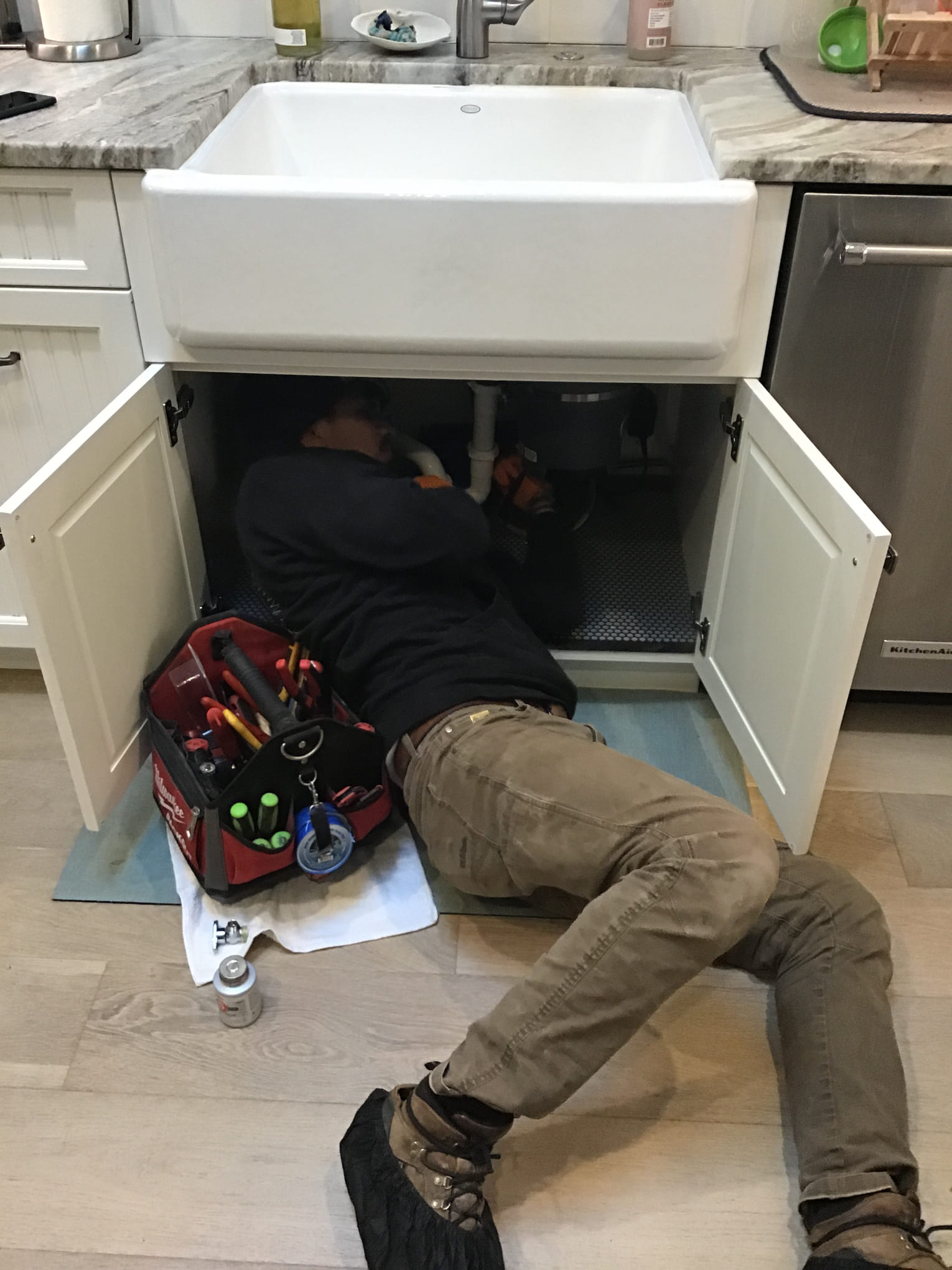
Heat Pump Water Heater Installation
A conventional electric water heater makes heat. A heat pump water heater moves it — pulling warmth from the surrounding air into the tank, delivering the same hot shower for a fraction of the electricity. It's the single biggest efficiency upgrade available in water heating today.
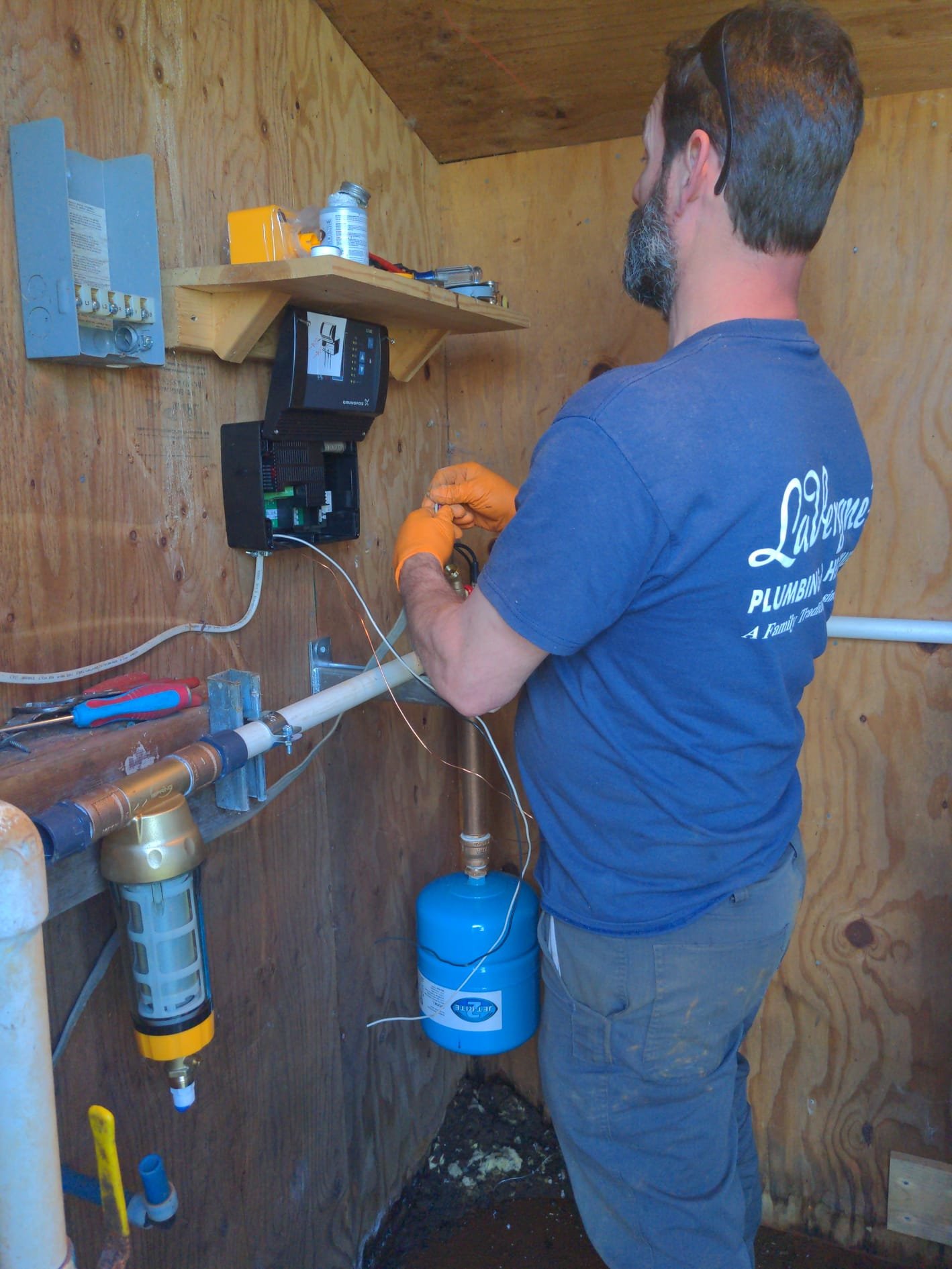
Moving Heat Beats Making Heat — By a Lot
The physics is the pitch. A standard electric tank turns every watt into exactly one watt of heat, the same way a toaster does. A heat pump water heater runs a small refrigeration circuit in reverse — extracting heat from the air around it and concentrating that heat into the water — so each watt of electricity delivers roughly three to four watts of heating. Same tank of hot water, a fraction of the meter spin. For households on electric water heating, it's routinely the largest single line-item cut available on the utility bill, and the savings compound every year the unit runs.
The catch — and there's always a catch — is that the machine's performance depends on where it lives. It wants air to draw heat from, which means an adequately sized space; it cools and dehumidifies that space as a byproduct, which is a gift in a musty garage and a nuisance in a small closet; and it produces condensate that needs a drain. Placement, ducting options, condensate routing, and electrical supply are the actual design work of the installation, and doing them thoughtfully is the difference between a unit that delivers its rated efficiency and one that grumbles in a closet it never should have been squeezed into.
The Decisions That Make or Break the Efficiency
Heat pump water heaters reward installers who think like designers. Garages and unfinished basements — abundant in local housing — are near-ideal homes for these units: big air volume, tolerance for the cool exhaust, easy condensate paths. Tight interior closets need honest evaluation, and sometimes duct kits that borrow air from adjacent space. Recovery speed differs from resistance tanks, so sizing up a nominal capacity is often the right call for bigger households. Hybrid operating modes need configuring for how your family actually uses hot water. Each is a small decision; together they're the whole outcome.
Air volume, temperature range, and sound context checked against the unit's real requirements.
Capacity chosen for your household's draw patterns — often one size up from the old resistance tank.
Circuit and panel capacity confirmed; most swaps reuse the existing 240V run, and we verify rather than assume.
Hybrid, efficiency, and boost modes configured for your routine — and you'll know how to change them.
Why LaVergne's?
The Full Water Heating Picture
The best water heater is the one matched to your home's fuel, space, and habits. These are the alternatives and companions we quote honestly alongside.
Tankless Water Heater Installation
The gas-fired path to efficiency and endless supply — often the better answer where natural gas is already doing the work.
Learn More →Water Heater Installation
Conventional tanks still earn their place — lowest upfront cost and total simplicity. We'll show the honest math between all three.
Learn More →Water Heater Maintenance
Heat pump units add an air filter to the usual tank care. A simple annual routine keeps the efficiency you paid for.
Learn More →Heat Pump Installation
Love the moving-heat math? The same physics can heat your whole home — and the incentives stack there too.
Learn More →Tax Credits & Rebates
Heat pump water heaters sit squarely in current federal and utility incentive programs. We'll flag what your project qualifies for.
Learn More →Water Heater Repair
Existing unit acting up? Repair-first service for every water heater type, including hybrids.
Learn More →Electric Water Heater Due for Replacement?
That's exactly the moment heat pump math shines. Get a quote with the incentives already counted in.
Who Wins Biggest With a Heat Pump Water Heater
This technology has a clear championship profile, and honesty about it serves everyone. The four factors below describe the homes where heat pump water heaters deliver their fullest value — and if only some apply to you, the technology can still win, just with a placement or configuration conversation attached. If none apply, we'll tell you that too, and quote what fits better.
Currently Heating With Electric Resistance
Replacing a standard electric tank is the slam-dunk case — the 3-4x efficiency gap lands entirely on your bill, every day.
Garage or Basement Available
Ample air volume, condensate options, and a space that welcomes free cooling and dehumidification as features.
Meaningful Hot Water Use
Bigger households save proportionally more — the efficiency multiplies across every shower, load, and cycle.
Planning to Stay Put
Modest price premium, then years of triple-efficiency operation — the math rewards owners who'll be there to collect it.
Heat Pump Water Heater Installation FAQs
Helpful answers about Heat Pump Water Heater Installation from the experienced team at LaVergne's.
Will it keep up with my family's hot water demand?
Properly sized, yes. Heat pump mode recovers more slowly than a resistance element, which installers handle two ways: choosing a tank size that stores your peak demand (often one nominal size up from your old unit), and hybrid mode, where the resistance elements automatically assist during unusually heavy draws. The everyday result is normal hot water life — with the heat pump quietly doing nearly all the work.
Where's the best place to put one?
Garages and unfinished basements are the local sweet spots: generous air volume to draw heat from, natural tolerance for the cool, dry exhaust air, and easy condensate drainage. Utility rooms work when they meet the air volume requirements or can be fitted with duct kits. Small sealed closets are the one placement we'll talk you out of — the unit needs air to breathe heat from, and starving it costs the efficiency you bought it for.
How loud is it really?
Comparable to a modern refrigerator or a dehumidifier on a moderate setting — a steady compressor-and-fan hum while heating, silence between cycles. In a garage or basement it disappears into the household. Adjacent to a bedroom wall, it's worth a placement conversation. We'll be straight about your specific layout rather than quoting decibel specs that mean nothing in practice.
What incentives apply right now?
Heat pump water heaters are a headline item in current federal efficiency tax credits, and local utility rebate programs frequently add to that — the combination routinely closes most of the price gap versus a standard tank. Programs evolve and have qualifying details, so we confirm what's active for your specific project during the quote, and our tax credits and rebates page tracks the landscape.
What maintenance does it need?
One new habit and the old ones: clean or replace the air filter periodically (minutes, no tools, we'll show you), keep the condensate drain clear, and continue normal tank care like anode and valve checks over the years. It's a modest routine for a machine saving you money daily — and it's all covered in our water heater maintenance service if you'd rather it just be handled.
Is the cool air it blows out a problem in winter?
In a garage or unfinished basement, no — the few degrees of cooling in an unconditioned space are barely noticeable and the dehumidification is genuinely useful in our damp climate. Inside conditioned space, the unit is borrowing heat your home's heating system made, which trims the net savings somewhat. It's exactly why placement is design work: put the unit where its byproducts are free or useful, and the efficiency math stays fully in your favor.