
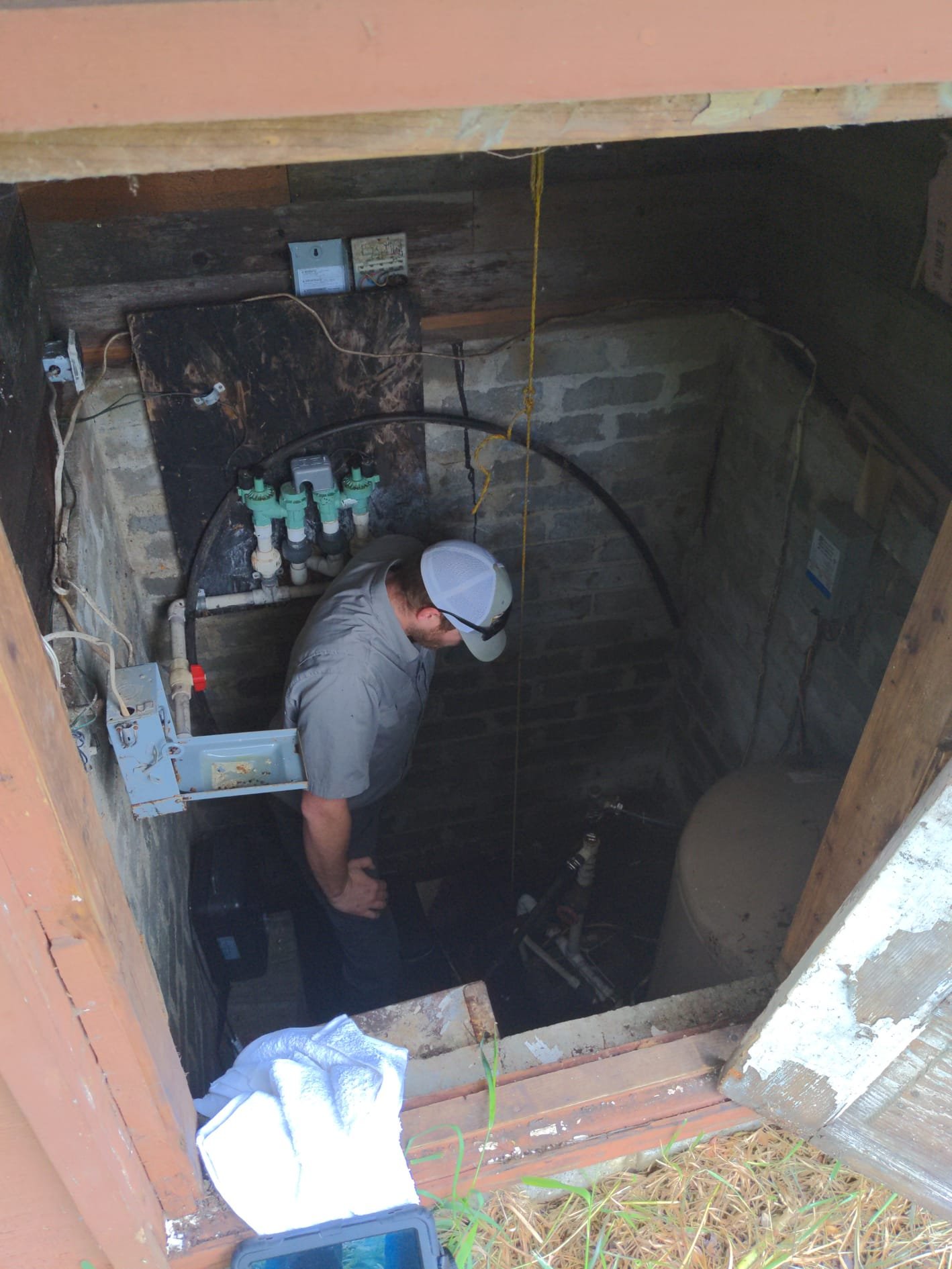
Septic Tank Pumping
Pumping isn't really about the tank — it's about protecting the drainfield behind it, the one component of your septic system that costs real money to replace. A pump-out every few years is the entire price of that protection.
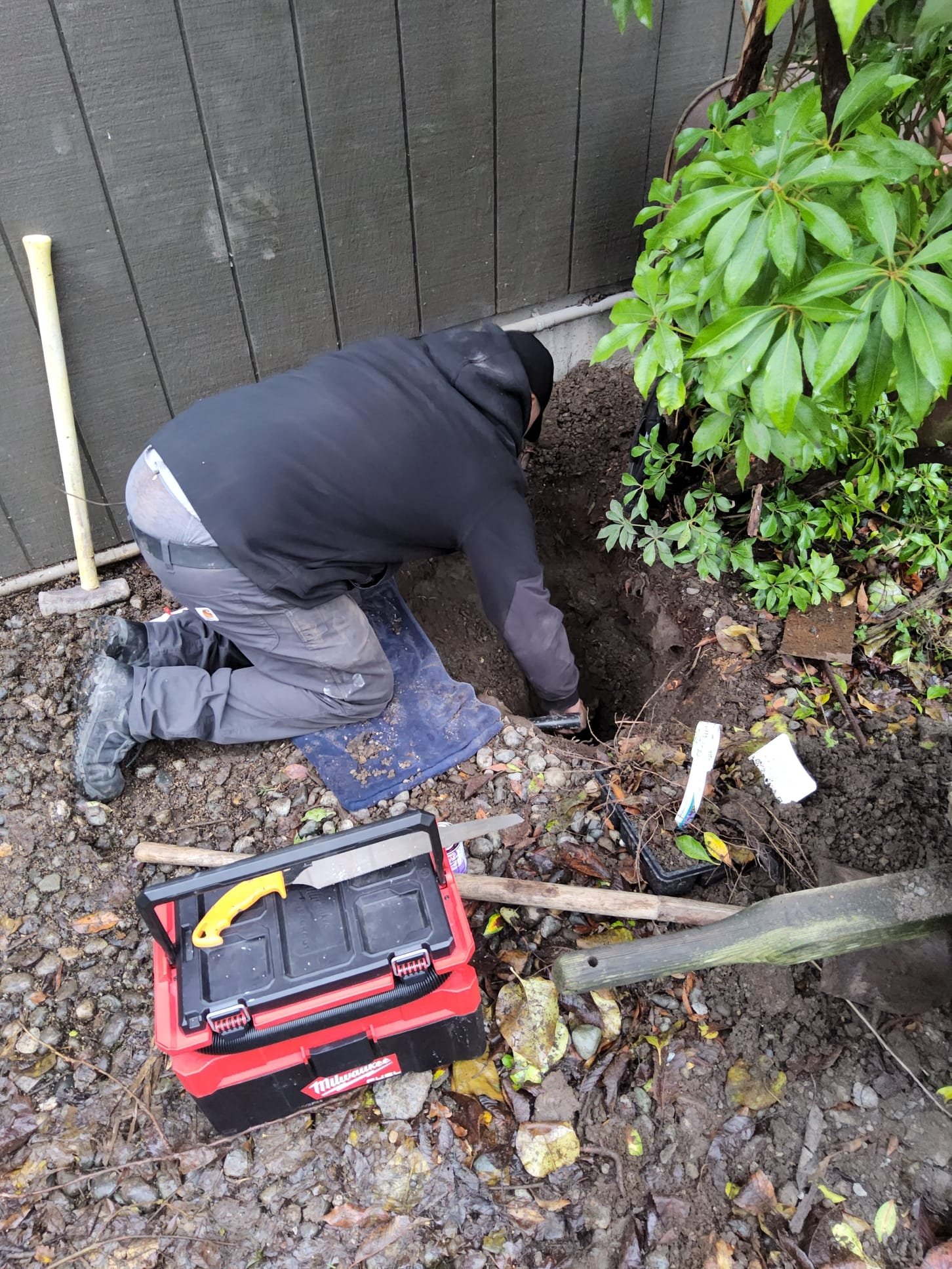
What's Actually Happening Down There — and Why Pumping Matters
A septic tank is a settling chamber with a biology department. Wastewater enters, and physics sorts it into three layers: solids sink into a sludge layer, greases float into a scum layer, and the relatively clear zone between them flows out to the drainfield. Bacteria digest a share of the solids, but never all of them — sludge and scum accumulate slowly and inevitably, shrinking that clear middle zone year after year. Pumping simply resets the layers before they reach the outlet.
Skip it long enough and the failure isn't dramatic at first — it's invisible. Solids begin riding out with the liquid into the drainfield, where they lodge in soil pores that can never be pumped clean. That's the quiet tragedy of neglected tanks: the pump-out you deferred cost a few hundred dollars, and the drainfield it was protecting costs many thousands to replace, with excavation and permitting attached. Across septic country from Deming to La Conner, nearly every drainfield failure we see tells this same story in its layers. The interval that prevents it — typically every three to five years, sooner for big households and smaller tanks — is the best deal in homeownership.
A Good Pump-Out Is Also a Checkup
The tank is open, the contents are visible, and an experienced eye can read the system's health right there: sludge depth against tank capacity says whether your interval is right; the condition of the inlet and outlet baffles — the humble components that keep scum from escaping — says whether a cheap repair now can prevent an expensive failure later; liquid level before pumping tells its own story, high suggesting a struggling drainfield, low suggesting a leaking tank. A crew that pumps and drives away collects your money. A crew that pumps, measures, looks, and reports protects your system.
Liquid level checked before evacuation — the single best free clue to drainfield condition.
Sludge broken up and removed from all compartments, not just the easy liquid off the top.
The guardians of your drainfield get a visual check every time the lid is off.
Levels, condition notes, and recommended next date — documentation that also satisfies county O&M programs.
Why LaVergne's?
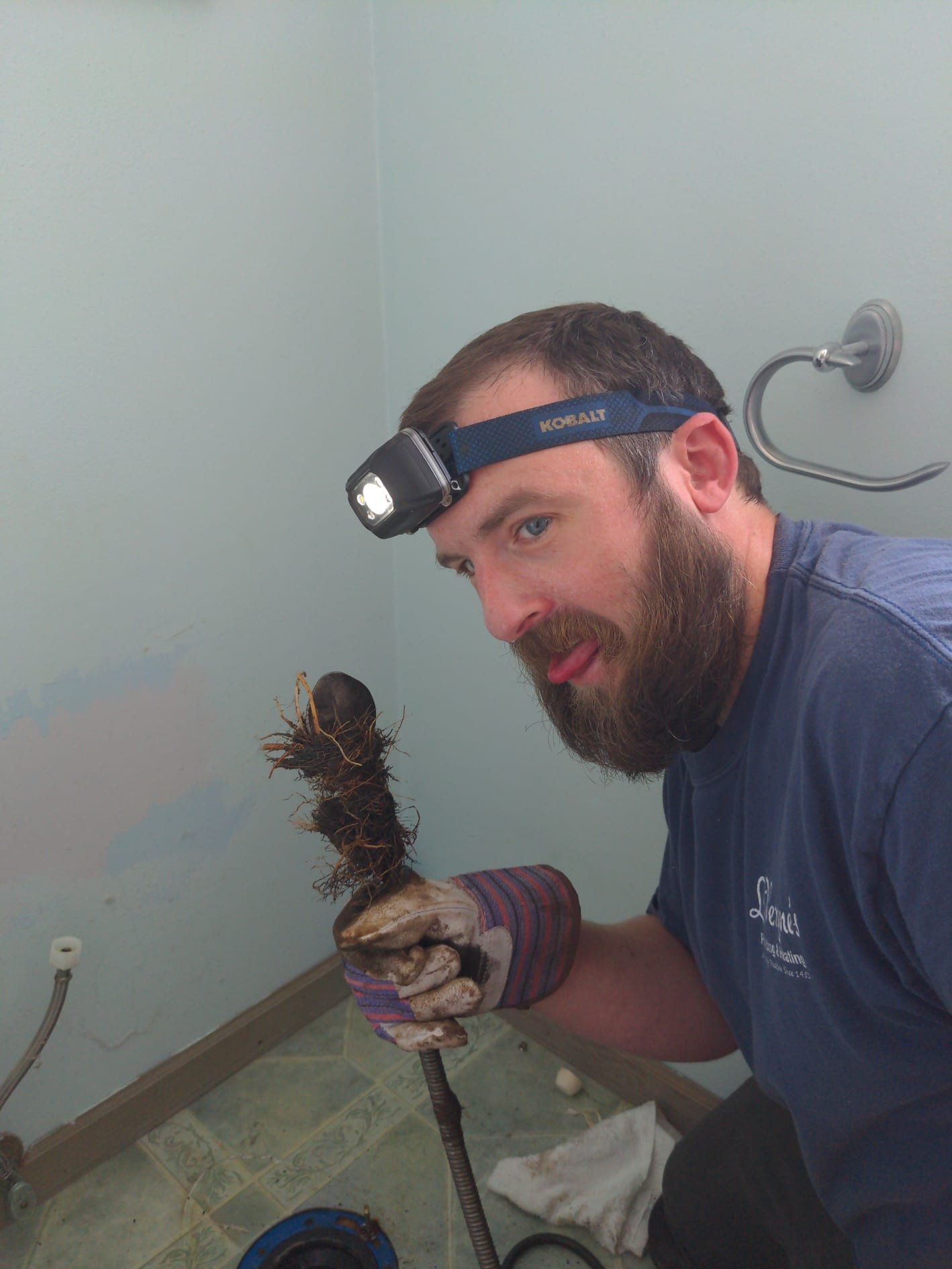
Every Septic Service, One Local Team
Pumping is the routine heartbeat of septic ownership. When the visit reveals something more — or when you need paperwork, repairs, or a new system — it's the same phone number.
Septic Inspection
Selling, buying, or due for a county O&M report? Formal inspections with the documentation your transaction or jurisdiction requires.
Learn More →Septic Repair
Failed baffles, broken lids, damaged lines, struggling pump chambers — targeted repairs that keep small findings from becoming system failures.
Learn More →Septic System Installation
Building new, or retiring a system that's honestly finished — designed, permitted, and built for your soil and site.
Learn More →Sewer Camera Inspection
Trouble between the house and the tank? A camera run through the building sewer finds crushed pipe and root intrusion fast.
Learn More →Rooter Service
Roots love the moisture around septic lines. Cutting them out restores flow without excavation when the pipe is still sound.
Learn More →Emergency Sewer Backup
Sewage backing into the house is a right-now problem, septic or city. Our emergency team answers around the clock.
Learn More →Can't Remember Your Last Pump-Out?
That usually means it's time. Get on the schedule — and onto an interval that fits your household, not a guess.
Signs Your Tank Is Overdue
A tank approaching capacity drops hints before it causes damage, and the hints escalate in a recognizable order — drains first, then odors, then the yard, then the house. Catching it in the first stage or two means a routine pump-out and no harm done. The list below runs in roughly that order of escalation; the further down you recognize yourself, the sooner this week's schedule should include us.
Sluggish Drains House-Wide
Every fixture draining lazily — not one clogged sink — is the classic early sign the tank is running out of working room.
Odors Near Tank or Drains
Septic smell around the tank lids or wafting from fixtures means gases and contents are closer to the surface than they should be.
Lush, Wet Grass Over the Field
A drainfield greener and spongier than the lawn around it is receiving more than it can absorb — often solids carryover from a full tank.
Gurgling & Backup Threats
Fixtures gurgling after flushes, or the lowest drain threatening to return what was sent — the last warnings before sewage in the house.
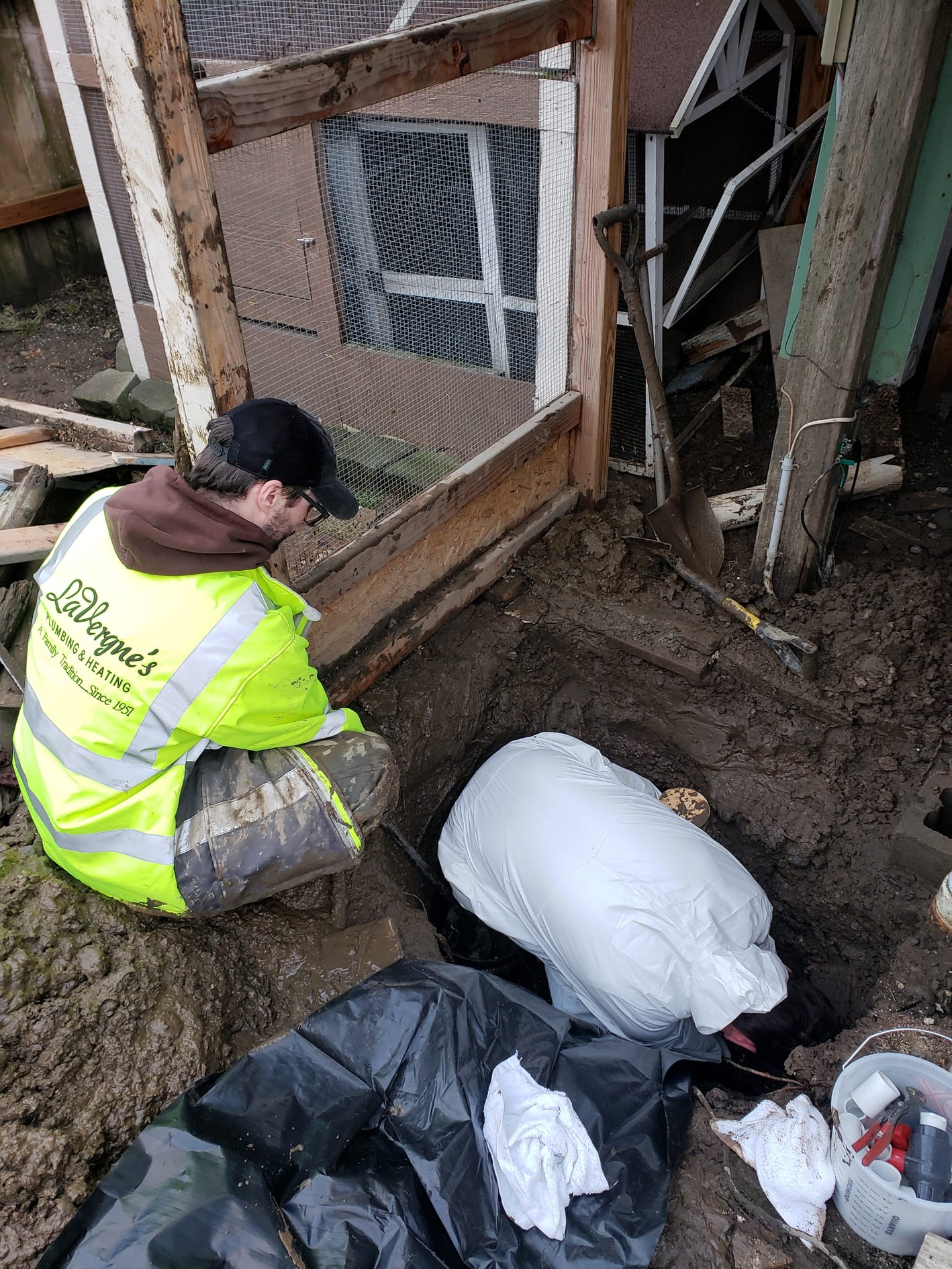
Septic Tank Pumping FAQs
Helpful answers about Septic Tank Pumping from the experienced team at LaVergne's.
How often should my tank really be pumped?
The honest answer is: it depends on tank size versus household size, which is why we measure instead of guessing. Three to five years fits most families; a big household on a modest tank may need three, while two retirees on a large tank can stretch past five. Garbage disposal use shortens the interval meaningfully — ground food is solids the bacteria digest slowly. Your levels at each pump-out tune the number from evidence.
Do septic additives mean I can pump less often?
No — and we'd rather tell you straight than sell you a subscription. A healthy tank already contains the bacteria it needs, delivered free with every flush. Additives don't remove accumulated sludge (only pumping does), and some products can actually harm the system by suspending solids that then ride out to the drainfield. Save the money for the pump-out.
Do I need to locate and dig up my own tank lids?
No — finding and accessing the tank is part of the service. If your lids are buried (common on older systems), we locate and expose them. It's also the visit to consider adding risers: extensions that bring the lids to grade so every future pumping, inspection, and emergency is faster and cheaper. One-time cost, permanent convenience.
What shouldn't go down the drain on a septic system?
The memorable rule: nothing that didn't pass through you first, plus toilet paper. The repeat offenders we vacuum out of tanks are wipes (including every brand labeled flushable — none of them digest), grease poured down kitchen sinks, feminine products, and heavy chemical use that knocks back the tank's bacteria. Each one shortens your interval or clogs your components.
Does my county require regular septic service records?
Both Whatcom and Skagit County operate septic operation-and-maintenance programs, and many systems — especially newer ones and pump or alternative systems — carry periodic inspection and reporting requirements. Requirements vary by system type and jurisdiction, so we'll tell you what applies to yours, and the documented service records we provide are built to satisfy them.
My tank was just pumped and the problem came right back — why?
Then the tank probably wasn't your problem. If backups or slow drains return within days of a pump-out, the blockage or failure lives elsewhere: the line between house and tank, the outlet to the drainfield, or the drainfield itself. Pumping buys diagnostic clarity as much as capacity — and the next step is a camera or an inspection, not another vacuum truck.